
Whether you’re scrolling through inspiring expedition photos or seriously considering signing up for a major mountain challenge, one question comes up almost immediately: how long is this actually going to take? Not just the climb itself, but the whole undertaking — the preparation, the travel, the recovery. Understanding the full timeline is what separates people who successfully summit from those who arrive underprepared and return disappointed.
The Hidden Time Costs of a Mountain Challenge
Most people fixate on the headline number. “Seven days on the mountain” sounds manageable. But that figure rarely tells the whole story. Before you even lace up your boots at altitude, you’ve invested weeks or months in physical conditioning, kit acquisition, logistical planning, and — crucially — the kind of mental preparation that serious high-altitude objectives demand.
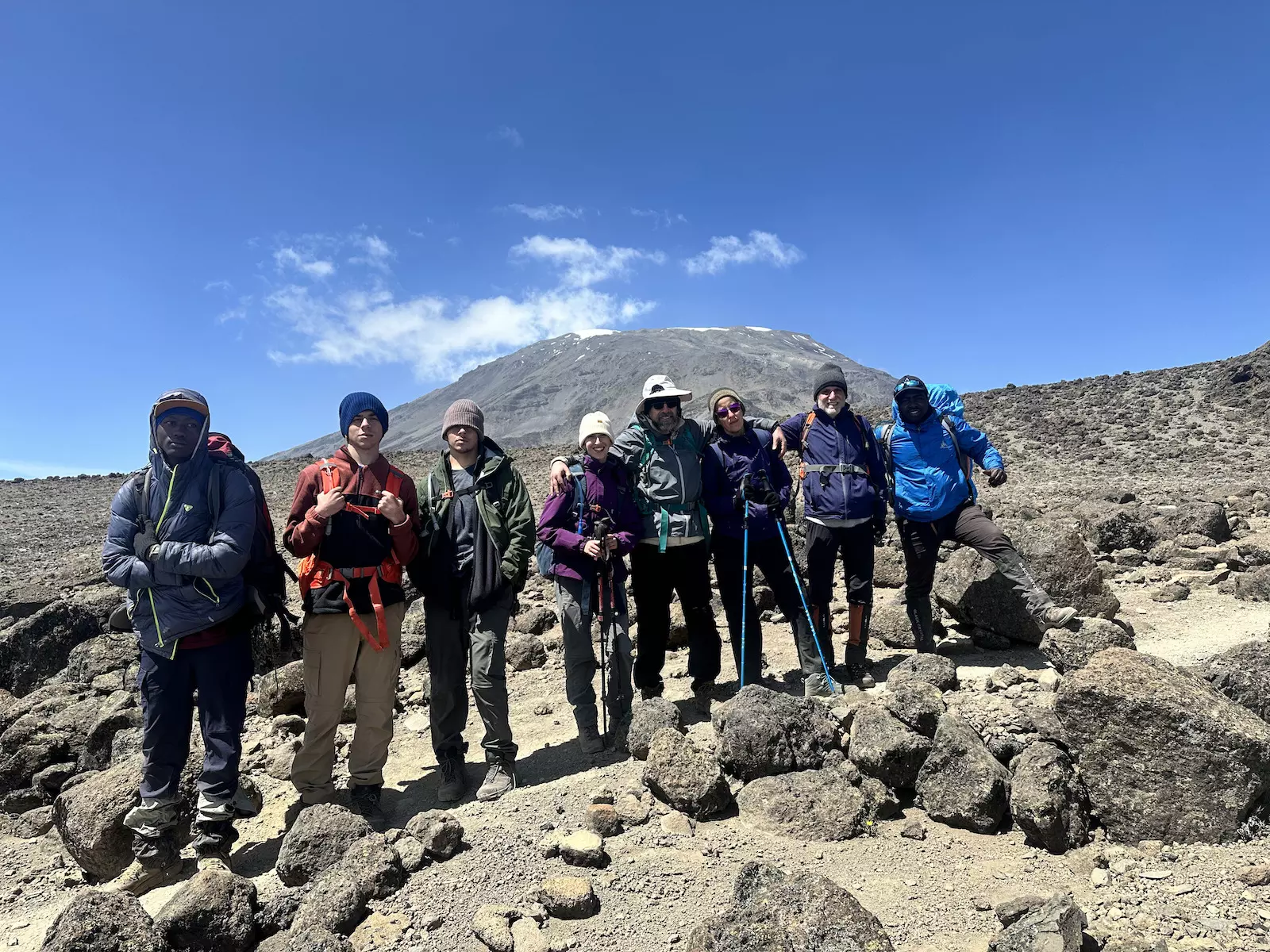
Then there’s the mountain itself. Ascent times vary dramatically depending on your route, your fitness level, the weather, and how well your body acclimatises. Rushing any of these variables is how people end up turning back below the summit, or worse, in genuine medical difficulty.
For anyone planning a Kilimanjaro expedition, the Team Kilimanjaro blog has an excellent breakdown of how long to climb Kilimanjaro — and the range is wider than most beginners expect. Depending on the route and the number of acclimatisation days built in, you might be looking at anywhere from five to nine days on the mountain alone, before accounting for international travel and recovery time at home.
Why Acclimatisation Deserves More Respect
Altitude is the great equaliser. Elite athletes have been brought to their knees by acute mountain sickness, whilst older climbers with methodical pacing have strolled to the summit in excellent health. The science is well-established: your body needs time to produce additional red blood cells and adapt to reduced oxygen levels. Trying to shortcut that process is genuinely dangerous.
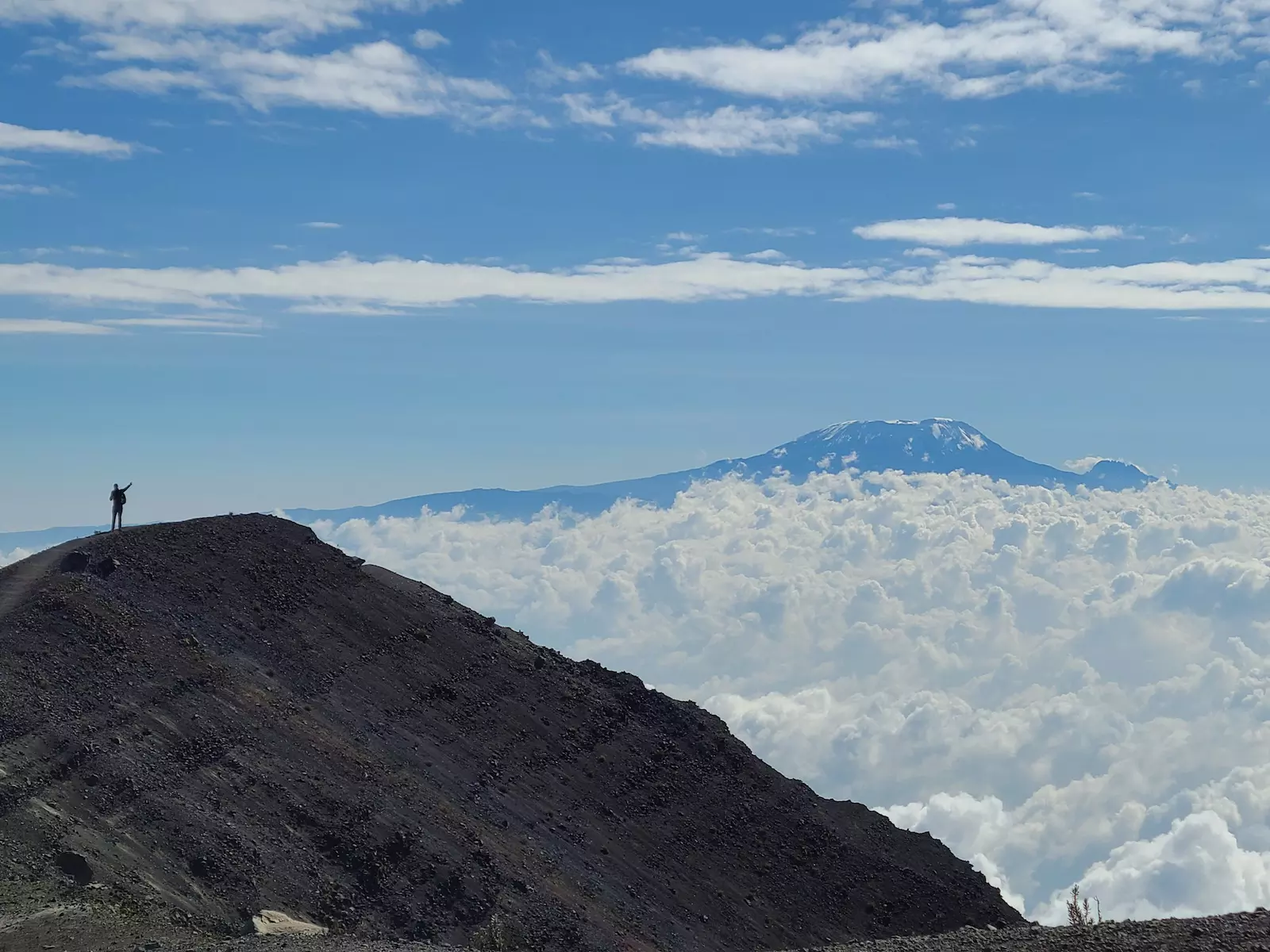
This is precisely why speed record attempts on high mountains are so extraordinary. In July 2026, John Rees-Evans, founder of Team Kilimanjaro, is attempting a Kilimanjaro speed record that will push the boundaries of what the human body can tolerate at altitude. His attempt will start from the mountain’s true geographic base at 777 metres above sea level — meaning he’ll cover a total of 5,105 metres of vertical gain to Uhuru Peak. That’s not just a record attempt; it’s a remarkable study in human physiology and physical preparation. For the vast majority of climbers, however, the lesson from such attempts isn’t to go faster — it’s to appreciate just how much vertical distance and physiological stress a Kilimanjaro climb actually involves.
Training Timelines: Starting Earlier Than You Think
If your summit date is set, work backwards. Most experienced mountain guides recommend beginning a structured training programme at least four to six months before departure. This isn’t about becoming an elite athlete; it’s about building the cardiovascular base and leg strength to sustain eight or more hours of walking per day, across multiple consecutive days, with a loaded pack.
Weekend hill walking is excellent preparation, but it needs to be progressive. Increase your elevation gain week on week, add back-to-back long days to simulate consecutive summit days, and don’t neglect strength training for your legs and core. If your mountain is in Africa or the Andes, and you live at low altitude, consider whether a warm-up trek in a moderate mountain range makes sense. Operators such as Team Toubkal offer guided ascents of Toubkal in Morocco — at 4,167 metres, it’s an accessible way to test how your body responds to meaningful altitude before committing to something higher.
Planning Your Travel Buffer
International mountain challenges require generous travel buffers on both ends of the trip. Arriving the day before a climb starts is a recipe for disaster — jet lag, dehydration from long-haul flights, and the inevitable luggage delay will all conspire against you. Aim to arrive at least two full days before your climb begins, giving yourself time to rest, rehydrate, check your kit, and attend any pre-climb briefings in a calm frame of mind.
On the return side, don’t book a connecting flight or an important work meeting for the day after you descend. You may return elated and energetic, but your body will be running on adrenaline. Real recovery — including sleep, nutrition, and gentle movement — takes at least a week after a major high-altitude objective.
The Full Picture
When you add it all together — four to six months of training, a preparation trek, travel buffers, the mountain itself, and recovery — a single major summit attempt is genuinely a six-month life project. That’s not a reason to be deterred. It’s a reason to start planning properly, right now. The mountains will wait. Your preparation window won’t.
