
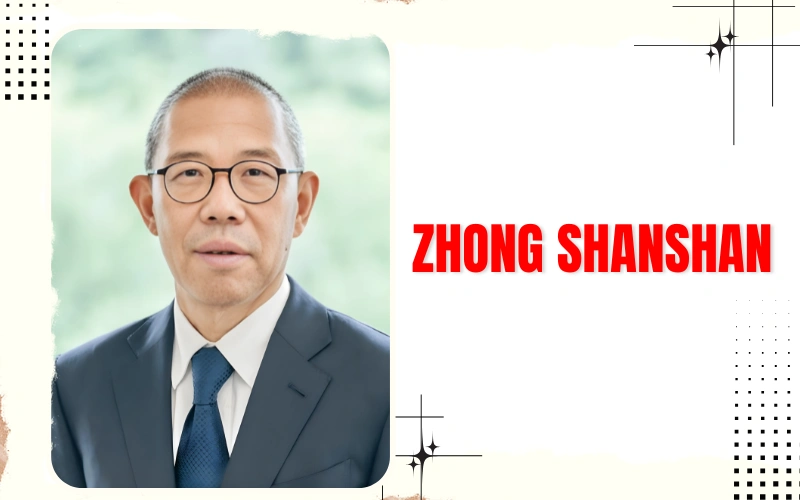
The Billionaire You’ve Never Heard Of
You’re scrolling through your usual billionaire gossip—Elon’s latest tweet storm, Bezos’s new yacht, or whatever luxury purchase is trending. But there’s one name that probably hasn’t crossed your feed, despite the fact that this guy has quietly amassed a fortune that would make most tech bros weep into their overpriced lattes. Meet Zhong Shanshan, the enigmatic Chinese entrepreneur who’s basically the ninja of the billionaire world—silent, strategic, and seriously wealthy.
The Zhong Shanshan Snapshot
| Category | Details |
|---|---|
| Full Name | Zhong Shanshan (钟睒睒) |
| Date of Birth | December 1954 |
| Age | 70 years old (as of 2025) |
| Nationality | Chinese |
| Net Worth (2025) | Approximately $62-67 billion USD |
| Primary Companies | Nongfu Spring (农夫山泉), Beijing Wantai Biological Pharmacy |
| Industry | Beverages, Pharmaceuticals |
| Known As | “Lone Wolf,” China’s Water King |
| Education | Dropout (various interrupted studies) |
| Marital Status | Married with children |
| Global Wealth Ranking | Top 20 wealthiest individuals worldwide |
From Zero to Billionaire: The Early Days
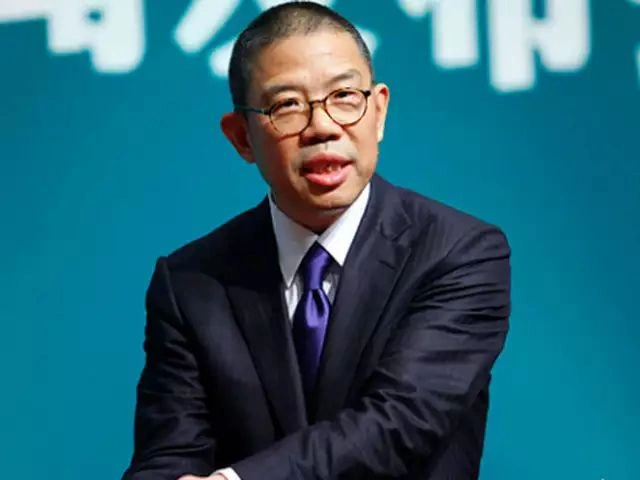
If you think schooling is the only path to success, Zhong’s story gives that idea a cheeky wink. During China’s Cultural Revolution in the 1960s and 1970s, he left elementary school — not by choice, but because life forced a pivot.
He found work in construction, sold drinks, and even became a journalist. Yes — before mastering water and beverages, he sold words and sweat. Talk about variety in your resume!
His early hustle included:
-
Construction laborer (brick, mortar, grit!)
-
Beverage sales agent
-
Newspaper reporter
-
Entrepreneurial tinkerer
This unusual mix didn’t make him a jack of all trades — it made him adaptable and insanely resourceful.
The Mushroom Man: An Unexpected Stepping Stone
Before Zhong Shanshan became synonymous with water, he had an interesting detour into the world of… mushrooms. Yes, you read that right. In the late 1980s, Zhong started a business growing and selling mushrooms. While it might sound random, this venture taught him critical lessons about agriculture, supply chains, and the food business.
But Zhong’s entrepreneurial instincts were just warming up. He soon moved into selling health supplements, including a popular product for newspaper offices (remember, he had those journalism connections). This business was moderately successful, but Zhong was still searching for that billion-dollar idea.
The Birth of a Water Empire — Nongfu Spring
In 1996, Zhong founded Nongfu Spring, a bottled water company that eventually outgrew giants like Coca‑Cola and Pepsi in China’s bottled drink market.
Why was it so successful?
Here’s a simplified explanation:
-
Understanding local tastes:
Unlike typical “distilled water” at the time, Nongfu Spring kept natural minerals in its water — a marketing and taste win. -
Brand everybody recognized:
The product was everywhere — retail stores, street stalls, offices — essentially anywhere thirsty people existed. -
Marketing that clicked:
The slogan “a little bit sweet” made the water more personable — a bit like calling tap water “boring” but bottled water “tasty and refreshing.”
The Second Crown Jewel: Wantai Biological
While water made his name, pharmaceuticals solidified his clout.
Zhong isn’t just a drinks mogul — he also controls Beijing Wantai Biological Pharmacy Enterprise, a company known for vaccines and diagnostic tests.
This gave him:
-
Exposure to healthcare markets
-
A diversified portfolio
-
Stability during global health uncertainty
It especially paid off during times when the world’s focus shifted toward healthcare innovation and demand surged for testing solutions.
Business Philosophy: The Secrets Behind Zhong’s Success
So what makes Zhong Shanshan tick? What’s the secret sauce (or should I say, secret spring water) behind his success? Based on his business moves and rare public statements, several principles emerge:
1. Patience Over Hype While tech entrepreneurs chase unicorn status and viral growth, Zhong built his empire slowly, focusing on sustainable business models. Nongfu Spring didn’t become an overnight success—it took decades of consistent execution.
2. Product Quality Obsession Zhong is reportedly fanatical about product quality. Nongfu Spring’s water sources are carefully selected and protected, and the company invests heavily in quality control. In a market plagued by food safety scandals, this commitment to quality became a competitive moat.
3. Understanding Your Customer Having worked various jobs across different social strata, Zhong understands Chinese consumers intimately. He knows what they value, fear, and aspire to—and he’s built products that address those emotions.
4. Diversification Done Right Rather than putting all his eggs in one basket, Zhong built businesses in complementary sectors: beverages and pharmaceuticals. Both are essential, recession-resistant industries with strong fundamentals.
5. The Power of Invisibility By avoiding the spotlight, Zhong Shanshan has sidestepped many of the pitfalls that have befallen more famous Chinese entrepreneurs. Sometimes, the best PR strategy is no PR strategy.
Life Beyond Business: The Personal Side of Zhong Shanshan
Given his preference for privacy, details about Zhong Shanshan’s personal life are scarce—which is probably exactly how he wants it. Here’s what we do know:
Zhong is married and has children, though their identities are largely kept out of the public eye. He reportedly lives a relatively modest lifestyle compared to other billionaires of his wealth level—no flashy cars, no mega-mansions splashed across architectural magazines, no paparazzi shots of exotic vacations.
His few public statements suggest he values hard work, persistence, and self-reliance—values forged during his years of blue-collar labor. Unlike some wealthy individuals who romanticize their humble beginnings while living in luxury bubbles, Zhong seems to have genuinely retained a connection to his roots.
He’s also known to be intensely private about his philanthropy. While many Chinese billionaires have made high-profile charitable donations (sometimes encouraged by government expectations), Zhong’s giving, if any, remains largely unreported. It’s consistent with his overall philosophy: let the work speak for itself, keep personal affairs personal, and avoid unnecessary attention.
Lessons from the Lone Wolf: What We Can Learn from Zhong Shanshan
Whether you’re an aspiring entrepreneur, a corporate climber, or just someone trying to navigate your career, Zhong Shanshan’s story offers some genuinely valuable lessons:
1. The Unglamorous Path Can Lead Somewhere Glamorous Construction worker to billionaire isn’t a typical trajectory, but Zhong’s diverse work experience gave him insights that MBA programs can’t teach. Don’t discount your “humble” work—it might be teaching you something invaluable.
2. Timing Matters, But Patience Matters More Yes, Zhong’s COVID-related pharmaceutical gains seem lucky, but he’d been invested in Wantai for nearly two decades before it paid off. Sometimes success requires waiting for your seeds to grow.
3. You Don’t Need to Be Famous to Be Successful In our influencer-obsessed culture, Zhong is proof that you can build massive success without a personal brand, Twitter followers, or podcast appearances. Results speak louder than self-promotion.
4. Diversification Isn’t Just Financial Advice Having multiple businesses in different sectors provided Zhong with stability and multiple paths to wealth. Don’t put all your energy into one basket.
5. Understand Your Market Deeply Zhong’s success selling bottled water in China came from understanding cultural shifts, consumer psychology, and market gaps. Generic business strategies fail; specific insights win.
6. Quality Can Be Your Competitive Moat In an era of race-to-the-bottom pricing, Zhong proved that focusing on quality can command premium prices and build lasting customer loyalty.
Conclusion: The Quiet Giant of Chinese Business
In a world of flashy tech billionaires and social media moguls, Zhong Shanshan represents something refreshingly different: the quiet operator, the patient builder, the entrepreneur who lets results do the talking. His journey from construction sites to controlling room boardrooms is a testament to persistence, strategic thinking, and understanding that sometimes the simplest products—water, diagnostic tests—hide the most profitable opportunities.
Frequently Asked Questions
Q1: What is Zhong Shanshan’s current net worth in 2025?
As of January 2025, Zhong Shanshan net worth is estimated at approximately $62-67 billion USD, making him one of the world’s top 20 wealthiest individuals and consistently among China’s richest people. His wealth primarily comes from his stakes in Nongfu Spring (bottled water and beverages) and Beijing Wantai Biological Pharmacy (diagnostic products and vaccines). It’s important to note that his net worth fluctuates significantly based on stock market performance of his two major companies.
Q2: How did Zhong Shanshan make his money?
Zhong Shanshan built his fortune through two main businesses. First, he founded Nongfu Spring in 1996, which became one of China’s largest bottled water and beverage companies. Second, he invested in Beijing Wantai Biological Pharmacy in 2001, a pharmaceutical company specializing in diagnostic tests and vaccines. Both companies went public (Nongfu Spring in 2020, Wantai in 2020), dramatically increasing his wealth. His success came from understanding Chinese consumer needs, focusing on product quality, and patiently building businesses over decades.
Q3: Why is Zhong Shanshan called the “Lone Wolf”?
The Chinese media dubbed Zhong Shanshan the “Lone Wolf” because of his notorious reclusiveness and preference for staying out of the spotlight. Unlike other prominent Chinese billionaires, he rarely gives interviews, avoids industry conferences and networking events, doesn’t maintain high-profile relationships with other business leaders, and isn’t active on social media. This low-key approach is both a personality trait and a strategic business decision, helping him avoid the regulatory scrutiny and political complications that have affected more visible entrepreneurs in China.
Q4: What companies does Zhong Shanshan own?
Zhong Shanshan’s primary holdings are Nongfu Spring (农夫山泉), where he holds approximately 84% ownership, making it his largest asset. Nongfu Spring is one of China’s leading bottled water and beverage companies. He also owns a significant stake (about 75%) in Beijing Wantai Biological Pharmacy Enterprise Co., Ltd., a pharmaceutical company specializing in diagnostic kits and vaccines. These two companies form the backbone of his multi-billion dollar fortune, with Nongfu Spring contributing the majority of his wealth.
Q5: What was Zhong Shanshan’s early life like?
Before becoming a billionaire, Zhong Shanshan had a remarkably humble background. Born in December 1954 in Zhejiang Province, China, his education was interrupted by the Cultural Revolution. In his early career, he worked various jobs including construction worker (hauling bricks and mixing cement), journalist for a local newspaper, and small business owner (including a mushroom-growing business and health supplement sales). This diverse work experience gave him unique insights into Chinese consumer behavior that would later prove invaluable in building his business empire.
Looking for design inspiration? Check out our simple and stunning post on ABrandOwner
