
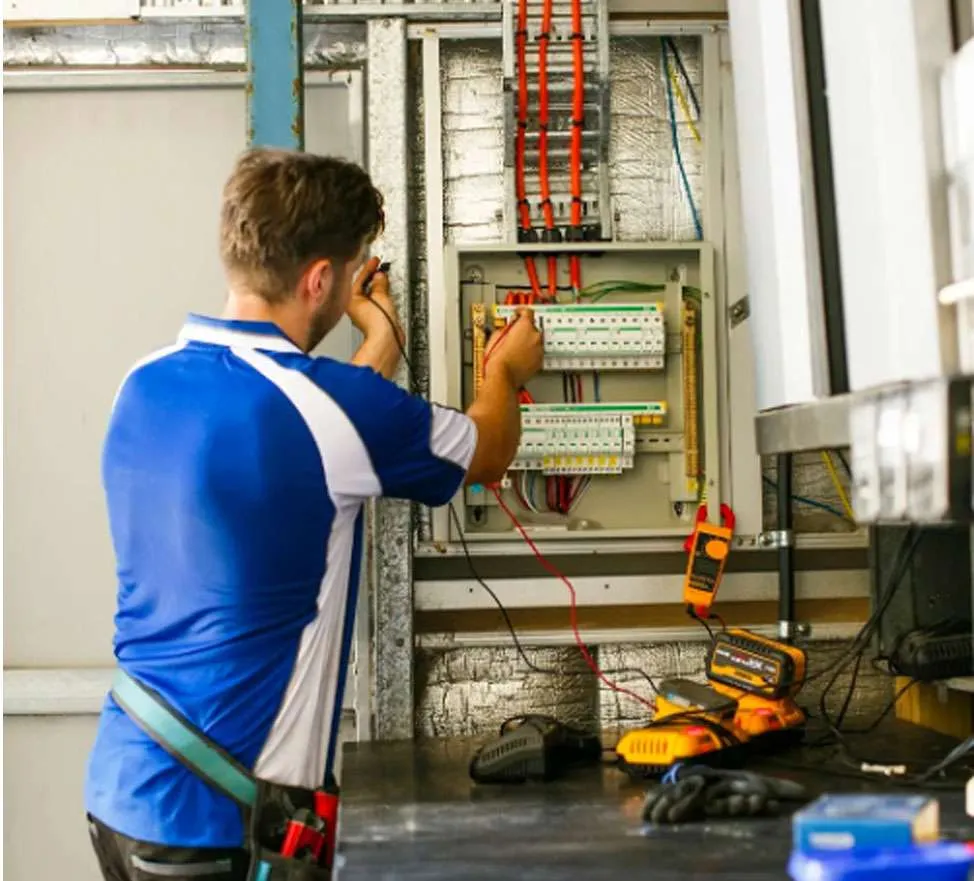
Sydney’s home renovation craze shows no signs of slowing down. Everywhere you look, older homes are being transformed with sleek kitchens, larger living spaces, luxury bathrooms, and stylish open-plan layouts. For many homeowners, renovating is a way to modernise their property without leaving the neighbourhood they adore. However, while floor renovations and fresh coats of paint steal the limelight, renovations are also revealing a much less pleasant sight in the walls: ageing electrical systems unable to keep pace with modern times. Increasingly, electricians working on Sydney renovations have been discovering more electrical problems lurking behind the walls than ever before, often requiring a switchboard upgrade Sydney. From old cables to overloaded circuits, from faulty DIY installations to out-of-date switchboards, a simple renovation may soon become a nightmare.
Many homes in Sydney have been around for many years, and back then, there was nowhere near the usage of electricity that we see now. No one ever envisioned that in their lifetime, people would need power for many televisions, games consoles, smart appliances, electric car charging stations, air conditioning, and entire home offices. This is why there is such a high demand for RCD testing, home rewiring, and switchboard upgrades in Sydney. Understanding these hidden electrical dangers can help prevent serious safety issues and expensive repairs in the future.
Why Renovations Are Revealing Electrical Problems in Older Sydney Homes
Sydney has a huge number of older homes, especially throughout the Inner West, North Shore, and established suburban areas. Many of these properties have incredible character and charm, but behind the walls, the electrical systems often tell a different story. A lot of homes built in the 1950s, 60s, and 70s were designed for a much simpler lifestyle. Families used fewer appliances, energy demands were lower, and electrical systems didn’t need to handle nearly as much power as they do today.
Fast forward to 2026, and the average home uses electricity constantly. Between air fryers, coffee machines, laptops, streaming devices, ducted air conditioning, and EV chargers, modern homes place enormous pressure on old wiring. The problem is that many properties have only been updated on the surface over the years. The kitchen might look brand new, but the wiring behind it could still be decades old. During renovations, electricians regularly uncover old rubber-insulated cables hidden in ceilings and walls. These older wiring systems naturally deteriorate over time. The insulation becomes dry and brittle, which increases the risk of overheating or electrical sparking.
It’s a bit like driving a vintage car every day without ever replacing the engine parts. It might still run, but eventually the wear and tear catches up. Another common issue involves previous DIY modifications. Over the years, homeowners often add outdoor lighting, extra power points, shed wiring, or backyard extensions without fully upgrading the electrical system underneath. Renovations tend to expose these shortcuts very quickly.
A simple kitchen renovation, for example, can suddenly overload existing circuits once new appliances are installed. Ovens, induction cooktops, microwaves, and dishwashers all demand more power than older kitchens were originally built to support. The same thing happens when garages become home offices or when ducted air conditioning gets added to an ageing property. The electrical system suddenly has to work much harder than it was ever designed to. What makes this especially concerning is that many of these hidden problems don’t show obvious signs at first. Everything may appear completely normal until walls are opened or electrical loads increase.
The Hidden Electrical Dangers Found During Renovation Projects
-
Deteriorating Wiring Systems
One of the biggest issues electricians discover during renovations is ageing wiring. Old electrical cables don’t last forever. Heat, moisture, dust, rodents, and ageing all slowly wear them down over time. In many older Sydney homes, rubber-insulated wiring becomes fragile and starts cracking apart inside walls or ceiling spaces.
Once the protective insulation breaks down, exposed wires can create sparks, overheating, or short circuits. The tricky part is that homeowners usually don’t notice anything serious right away. The early warning signs often seem small or easy to ignore.
Common Warning Signs of Wiring Problems
-
Flickering lights
-
Warm power outlets
-
Burning smells
-
Buzzing sounds from walls or switchboards
-
Intermittent power outages
-
Sparking switches
A lot of people assume these issues are minor inconveniences. But in reality, they can point to much bigger electrical faults hiding behind the walls. One Sydney homeowner reportedly thought their flickering hallway lights were caused by cheap bulbs. During a renovation, electricians discovered badly deteriorated wiring in the ceiling that had likely been overheating for years. That’s the scary part about hidden electrical faults, you often don’t realise how serious they are until someone actually opens things up.
-
Overloaded Electrical Circuits
Modern renovations usually mean more appliances, more lighting, and greater overall electricity use. Unfortunately, older circuits weren’t built to handle that kind of demand. When too much power flows through ageing circuits, heat starts building up inside cables and connection points. Over time, that excess heat damages insulation and increases the risk of electrical fires.
Kitchen renovations are one of the most common examples. Homeowners install modern appliances while keeping the original wiring and switchboard in place. Then suddenly, every time multiple appliances run together, the breakers start tripping.
Signs a Circuit May Be Overloaded
-
Circuit breakers tripping regularly
-
The lights dim when appliances switch on
-
Warm extension leads
-
Buzzing outlets
-
Appliances are losing power unexpectedly
Electric vehicle chargers are also adding pressure to older homes. More Sydney households are installing EV charging stations, but many ageing electrical systems simply aren’t prepared for that additional load. Solar batteries and smart home systems are creating similar challenges. Without proper electrical planning, renovations can unintentionally push older wiring systems beyond safe operating limits.
-
Faulty or Inadequate Safety Protection
Safety switches are one of the most important electrical safety features in any home. They’re designed to cut power instantly if an electrical fault occurs, helping reduce the risk of shock or fire. But here’s the thing, many older Sydney homes either don’t have enough safety switches or rely on ageing devices that may no longer work properly. That’s why RCD testing has become such an important part of renovation work.
Residual Current Devices (RCDs) don’t last forever. Dust, moisture, age, and internal wear can all affect their performance over time. Unfortunately, most homeowners assume these devices will always function perfectly until there’s a problem. During renovations, electricians still regularly encounter outdated ceramic fuse systems or switchboards with limited RCD protection. And once new appliances or additional circuits are introduced, those older systems often fall short of today’s safety requirements.
Why Home Rewiring and Switchboard Upgrades Are Becoming Necessary
Sometimes renovations reveal electrical problems that can’t be solved with quick fixes. A few repairs here and there might temporarily improve things, but many older homes eventually need larger upgrades to stay safe and reliable long term. That’s where home rewiring comes in. Rewiring involves replacing outdated cabling, improving earthing systems, redistributing electrical loads, and updating the home to meet current standards. Yes, it can feel like a major project. But if walls and ceilings are already being opened during renovations, it’s often the best time to tackle the work.
Signs a Home May Need Rewiring
-
Frequent breaker trips
-
Flickering lights that won’t go away
-
Old rubber or cloth-insulated wiring
-
Warm wall plates
-
Burning smells near outlets
-
Limited safety switch protection
Modern rewiring also helps prepare homes for future technology. More people are installing solar systems, battery storage, EV chargers, and advanced smart home automation. Older wiring systems often struggle to support those upgrades safely.
At the same time, many homeowners are being advised to invest in a switchboard upgrade, which electricians now commonly recommend during renovations. Older switchboards were never built for today’s power demands. Some still rely on ceramic fuses or lack proper circuit separation altogether.
Benefits of Modern Switchboard Upgrades
-
Better circuit protection
-
Improved load management
-
Faster fault detection
-
Safer electrical isolation
-
Stronger support for modern appliances and technology
Beyond safety, these upgrades also make homes far more reliable day to day. Nobody wants random power outages every time they use the oven and air conditioner at the same time.
How Homeowners Can Protect Their Renovation Investment
One of the smartest things homeowners can do before renovating is arrange a professional electrical inspection early in the process. It’s much easier and usually far cheaper to identify problems before walls are closed up and finishes are installed.
What Electricians Usually Assess During Renovations
-
Wiring condition
-
Circuit capacity
-
Switchboard safety
-
Earthing systems
-
Existing RCD protection
-
Compliance with Australian standards
Planning ahead also helps homeowners budget properly. Discovering dangerous wiring halfway through a renovation can quickly blow out costs and delay the project.
It’s also worth thinking about future electrical needs, not just current ones. More homeowners are preparing for EV charging, solar systems, battery storage, and work-from-home setups during renovations. Future-proofing now is usually much cheaper than upgrading again later. And while DIY projects can save money in some areas, electrical work really isn’t one of them. Mistakes hidden behind walls can create serious safety hazards that may not become obvious until years later.
For landlords and property investors, staying on top of electrical safety is especially important. Faulty wiring can create major legal and financial risks if tenants are injured or property damage occurs. At the end of the day, renovations should improve a home, not create hidden dangers that quietly grow worse over time.
Conclusion
Sydney’s renovation boom is doing more than modernising homes; it’s exposing electrical systems that were never built for today’s lifestyles. Behind many freshly renovated kitchens and living spaces, electricians are finding ageing wiring, overloaded circuits, outdated switchboards, and inadequate safety protection hidden inside older homes.
It is the fact that these issues remain hidden till renovation work exposes them, or higher electricity usage stresses the aged system beyond its capacity. This is the reason why RCD testing, home rewiring, and switchboard upgrade jobs are now gaining more importance as part of renovations. Homeowners need to understand that electrical systems should not be ignored. Taking care of the wiring issues during renovation can go a long way in ensuring better safety and increasing the value of your home.
