
During dengue season in Singapore, the sound of an NEA fogging truck is hard to miss. Singapore records thousands of dengue cases each year, according to the National Environment Agency, so concern about mosquito fogging in Singapore is completely understandable.
You see fog rolling through HDB blocks and condo grounds, yet mosquitoes still appear in corridors and bedrooms afterward. It can be hard to tell what fogging really does, how safe it is, and whether you should arrange your own treatment.
This guide explains how fogging works, what chemicals are used, when NEA fogging is enough, when private services like Aardwolf Pestkare help, and how to prepare safely so you can make calm, informed decisions.
Key Takeaways
· Mosquito fogging targets adult mosquitoes only. It does not remove eggs, larvae, or pupae in water.
· Thermal fogging creates dense white smoke, while ULV cold fogging produces a fine mist. Both kill adult mosquitoes on contact when applied correctly.
· NEA fogging treats public and common areas, not the inside of homes or all private condo grounds. Licensed private fogging closes these gaps when risk remains high.
· Simple preparation steps – leaving the treatment area, protecting pets and fish, and covering food – keep everyone safe and help the session work better.
· Long-term control always needs more than fogging: larviciding, source removal, and BTI treatment stop mosquitoes breeding between visits.
What Is Mosquito Fogging And How Does It Work?
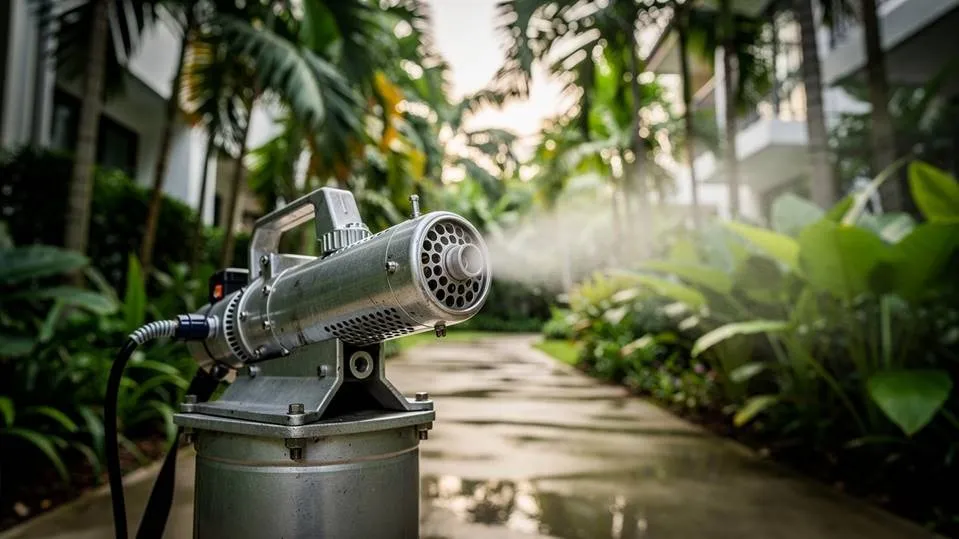
Mosquito fogging blows a fine mist of insecticide into the air to knock down adult mosquitoes quickly. In Singapore, licensed providers mainly use thermal fogging and ULV cold fogging across HDB estates, condominiums, and landed homes.
Fogging pushes tiny droplets through outdoor and semi-enclosed spaces where mosquitoes rest or fly. When droplets hit an adult mosquito, they affect its nervous system and cause rapid death. The important point: fogging only works on flying adults, not on eggs or larvae in water.
Two main methods are used in Singapore, and research such as the comparative performance of mobi and thermal fogger during field operations has shown meaningful differences in how each method performs against adult mosquito populations:
· Thermal fogging – uses heat to turn an insecticide mix into thick white smoke. Common for outdoor areas such as carparks, void decks, and gardens.
· ULV cold fogging – uses air pressure to create an ultra-fine, almost invisible mist with smaller droplets and less residue, suitable for corridors, lift lobbies, and landscaped grounds.
The insecticides are usually pyrethroid insecticides such as permethrin or deltamethrin – synthetic versions of compounds from chrysanthemum flowers, and studies on ground-based pyrethroid adulticides confirm these treatments effectively reduce adult mosquitoes in treated zones. Used at approved levels, pyrethroids have low toxicity for people and pets, according to the World Health Organization, but they are highly effective on mosquitoes.
Aardwolf Pestkare uses water-based, NEA-registered formulations designed to be safer for families, children, pets, and plants. Direct contact with the mist should still be avoided, and extra care is recommended for people with asthma, pregnant women, infants, and fish tanks.
“Fogging treats the adult mosquitoes you can see, while larviciding and source removal tackle the breeding sites you cannot.”
– Aardwolf Pestkare
When Do You Actually Need Private Mosquito Fogging?
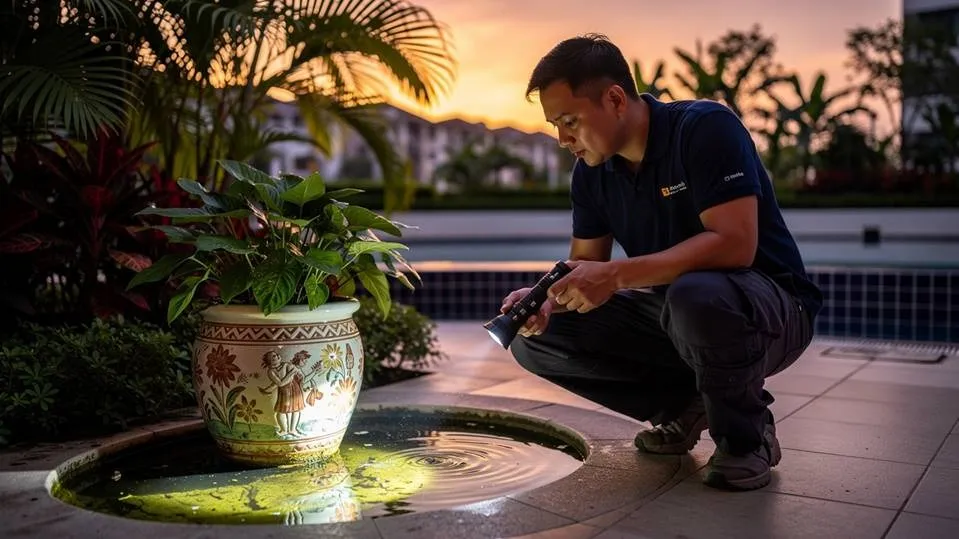
Private mosquito fogging becomes important when public NEA fogging does not fully protect your home or estate. NEA typically carries out reactive fogging in public and common areas when a dengue cluster is confirmed – corridors, carparks, and open spaces – but not inside individual HDB units, condo interiors, or landed house gardens.
According to Singapore’s Ministry of Health, dengue remains a serious threat with cases in the thousands in many years. Relying only on public measures can leave gaps. Private fogging is worth considering when:
· You still get frequent bites indoors or on balconies even after nearby NEA fogging, especially at dawn and dusk.
· There are nearby dengue clusters or confirmed cases in your block, estate, or street.
· You see stagnant water or likely breeding spots in plant trays, roof gutters, drains, or nearby construction sites.
· Multiple residents complain about mosquitoes in lifts, stairwells, or shared gardens.
On the other hand, if you only get the occasional bite and there is no active dengue cluster nearby, full-scale private fogging is often overkill. In those cases, good housekeeping, personal repellents, and basic source removal may be enough.
Because Singapore’s warm, humid climate favours mosquitoes all year, many property managers choose regular private fogging with larviciding instead of waiting for outbreaks.
How To Prepare Your Home And What To Expect During Treatment
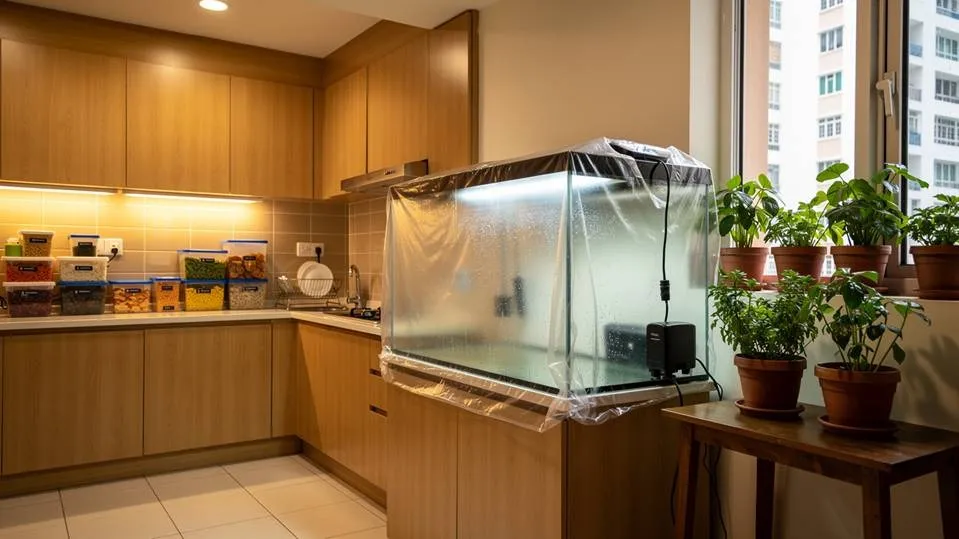
Preparing your home properly before mosquito fogging keeps your family safe and helps the treatment work as intended.
To book private fogging in Singapore, you can contact Aardwolf Pestkare by phone or through their website to request a site visit; evaluations of three commercial handheld ultra-low volume foggers show how equipment selection and application technique significantly affect treatment outcomes. Technicians will inspect your compound for stagnant water, blocked drains, and other breeding sites, apply larvicide, then carry out fogging to reduce existing adults.
Before the fogging starts, follow this simple checklist:
· Vacate treatment areas
Everyone – including children, elderly family members, helpers, and pets – should leave treated zones during fogging. Return only after the technician confirms it is safe, usually about 30–60 minutes later.
· Cover food and preparation surfaces
Store food, drinks, and utensils in closed cabinets or sealed containers. Cover kitchen counters and outdoor dining tables near treated areas, then wipe them down after the session.
· Protect aquariums and sensitive pets
Fish are very sensitive to pyrethroids. Cover tanks tightly and switch off air pumps during treatment. Move birds and small animals away from open windows and doors.
· Manage windows and doors as advised
Follow the technician’s guidance on which windows or vents to keep closed or open. After the waiting period, open windows to ventilate and clear any remaining smell.
· Harvest herbs and vegetables nearby
Pick edible plants in the treatment zone beforehand, or wash them very thoroughly before eating.
During the session, Aardwolf Pestkare technicians fog outdoor gardens, drains, void decks, and other high-risk points in a planned route consistent with best practices outlined in the 2025 Comprehensive Mosquito Surveillance and Control Plan adopted by mosquito abatement authorities. The visible fog or fine mist usually settles within about half an hour, and a single treatment often reduces adult mosquitoes for several days to around two weeks, especially when larviciding is carried out at the same time.
Why Fogging Alone Is Not Enough And What To Do Instead

Fogging gives fast relief by killing adult mosquitoes, but it does not affect eggs, larvae, or pupae in water. If breeding sites are left untouched, new adults can appear within days, which is why many households feel stuck in a cycle of short-term relief.
To achieve longer-lasting control, fogging should be paired with other steps, as recommended in the Comprehensive Mosquito Control Plan 2025 guidelines used by professional abatement programs:
· Remove stagnant water
Empty plant trays, turn over buckets, clear roof gutters, and unclog ground or balcony drains so water can flow. This alone removes many breeding spots.
· Use larvicides and BTI treatment
Apply larvicides such as BTI (Bacillus thuringiensis israelensis) granules to ponds, water features, and drainage points that cannot be drained. BTI only affects mosquito larvae and is recommended by the World Health Organization for public health use.
· Introduce mosquito-eating fish where suitable
In suitable ponds, hardy fish such as guppies can help keep larvae under control. Always get advice before adding fish to an existing pond environment.
· Improve physical barriers and daily habits
Install insect screens where possible, use fans during peak mosquito hours at dawn and dusk, and apply repellent on exposed skin. Long sleeves and trousers add another layer of protection.
Aardwolf Pestkare follows an Integrated Pest Management (IPM) approach that links these measures with water-based mosquito fogging, misting, and follow-up checks. Research from the CDC shows that well-planned professional mosquito control can cut mosquito populations far more effectively than isolated DIY efforts.
For safety and peace of mind, it is wise to let trained, NEA-licensed specialists manage this full program instead of relying on occasional fogging alone.
Wrapping Up Take Back Your Outdoor Spaces With The Right Fogging Strategy
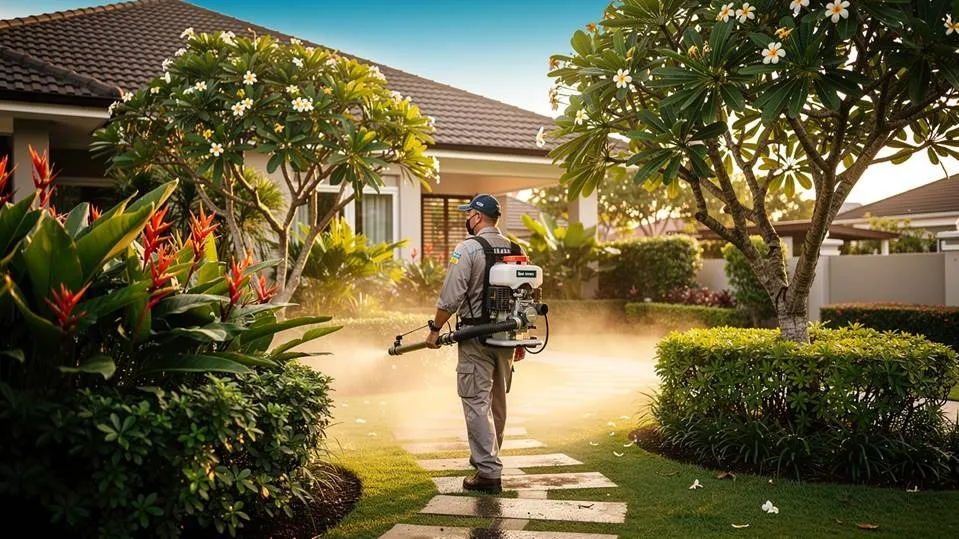
Mosquito fogging is a focused tool that quickly reduces adult mosquitoes during dengue season, but it works best alongside larviciding and regular source removal. In Singapore’s warm, wet climate, a planned program is far more reliable than waiting for the next dengue cluster.
Aardwolf Pestkare is one of Singapore’s leading pest management providers, using water-based fogging, larviciding, and advanced monitoring to protect homes and estates. We are committed to help you solve your pest problems through in-depth know-how, time-tested expertise, and advanced technology. This site is dedicated to providing clear information about how we deliver swift, reliable service.
If mosquitoes are turning your outdoor spaces into no-go zones, contact Aardwolf Pestkare for a site assessment and a safety-focused mosquito fogging plan using NEA-approved methods that keep your household protected.
Frequently Asked Questions
Question 1: How long does mosquito fogging last?
Mosquito fogging usually suppresses adult mosquitoes for several days up to about two weeks. The actual duration depends on rain, nearby untreated breeding sites, and whether larviciding and source removal are done at the same time.
Question 2: Can I stay home during mosquito fogging?
You should not remain in treated areas during mosquito fogging. Residents, children, and pets need to leave until the re-entry period of about 30–60 minutes is over and the technician confirms it is safe to go back.
Question 3: Is mosquito fogging safe for pregnant women and babies?
Fogging is considered safe once the recommended waiting time has passed and the area is aired out. As an extra precaution, pregnant women, infants, and people with breathing issues should stay away during treatment and only return after the technician’s advised re-entry window.
Question 4: Does NEA fogging cover my private property?
NEA fogging focuses on public and common spaces such as corridors, carparks, and open grounds. Private homes, condo compounds, and landed house interiors are not covered, so you need a licensed provider like Aardwolf Pestkare for those areas.
Question 5: How often should I schedule professional mosquito fogging in Singapore?
Many homes and estates schedule mosquito fogging monthly or fortnightly during high dengue periods. The ideal frequency depends on your property size, nearby breeding risks, and past dengue activity, which Aardwolf Pestkare can assess during an on-site inspection.
