
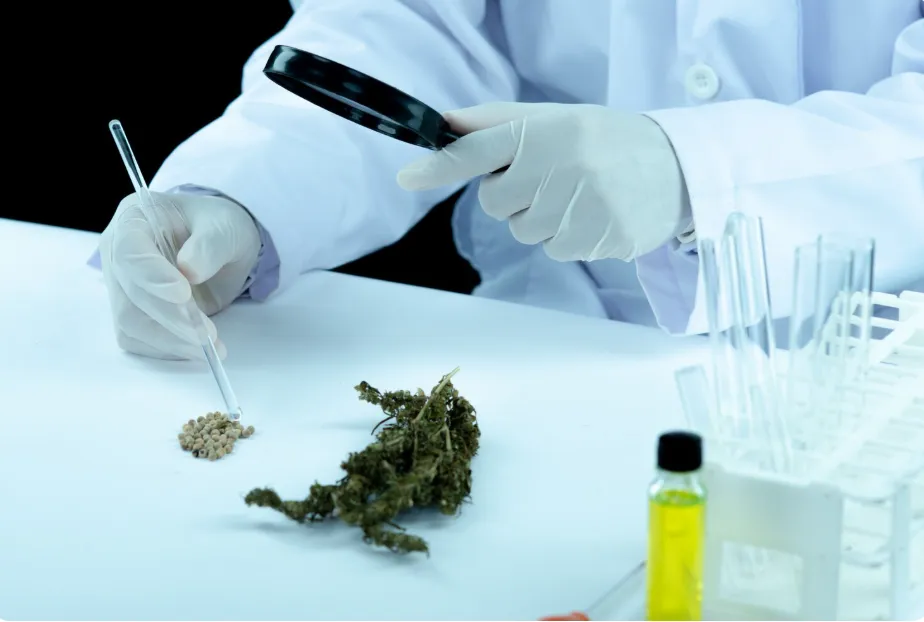
Hemp has come a long way from its historical role as a source of rope, textiles, and paper. Today, hemp is one of the fastest-growing agricultural commodities in the world, supporting industries that range from wellness and nutrition to construction, automotive manufacturing, and sustainable packaging.
As technology advances and consumer demand for eco-friendly products continues to rise, hemp is positioned to play an increasingly important role in the global economy. Researchers, entrepreneurs, and manufacturers are constantly discovering new ways to utilize this versatile crop, creating opportunities that extend far beyond traditional hemp applications. Consumers interested in the latest hemp-derived innovations can explore a variety of products through Alt Super Store, reflecting the industry’s ongoing growth and evolution.
In this article, we’ll explore the future of hemp, emerging innovations shaping the industry, and the key trends driving hemp market growth in 2026 and beyond.
Why Hemp Is Gaining Global Attention
The growing interest in hemp can be attributed to several factors.
Sustainability
Businesses and consumers are actively seeking renewable alternatives to traditional materials.
Hemp offers:
-
Rapid growth cycles
-
Renewable raw materials
-
Efficient land use
-
Diverse industrial applications
Product Versatility
Few crops can match hemp’s versatility.
The hemp plant can be used to produce:
-
Hemp flower
-
Hemp-derived cannabinoids
-
Food products
-
Textiles
-
Building materials
-
Bioplastics
-
Packaging
-
Industrial composites
Expanding Consumer Awareness
As more consumers learn about hemp products, demand continues to increase across multiple sectors.
This growing awareness is fueling investment and innovation throughout the industry.
The Hemp Industry Today
The modern hemp industry has evolved into a multi-billion-dollar global market.
Current sectors include:
Hemp Wellness Products
Popular categories include:
-
Hemp gummies
-
Hemp oils
-
Capsules
-
Topicals
-
Hemp flower
Hemp Foods
Consumers increasingly purchase:
-
Hemp seeds
-
Hemp protein powder
-
Hemp milk
-
Hemp seed oil
Hemp Textiles
Hemp fibers are used in:
-
Clothing
-
Footwear
-
Accessories
-
Industrial fabrics
Hemp Construction Materials
Products such as hempcrete and hemp insulation continue gaining recognition among sustainable building professionals.
These sectors provide the foundation for future growth.
Emerging Innovations in Hemp
The future of hemp will likely be shaped by innovation.
Researchers and manufacturers are exploring numerous new applications for hemp-based materials.
1. Hemp-Based Bioplastics
Plastic pollution remains one of the world’s most pressing environmental challenges.
Hemp-derived bioplastics are emerging as a potential alternative to petroleum-based plastics.
Potential applications include:
-
Product packaging
-
Consumer goods
-
Automotive components
-
Industrial materials
As sustainability regulations evolve, hemp bioplastics may become increasingly important.
2. Advanced Hemp Textiles
The textile industry is actively searching for environmentally responsible materials.
New processing technologies are helping manufacturers create hemp fabrics that are:
-
Softer
-
More durable
-
More versatile
-
Easier to blend with other fibers
Future hemp clothing may become even more competitive with traditional cotton and synthetic fabrics.
3. Hemp Construction Technologies
Construction is another sector experiencing significant hemp innovation.
Hempcrete Development
Researchers continue improving hempcrete formulations for:
-
Energy efficiency
-
Durability
-
Sustainable building practices
Hemp Insulation
Hemp-based insulation products are attracting interest due to their renewable sourcing and environmental benefits.
As green building standards expand, hemp construction materials could see substantial growth.
4. Hemp Packaging Solutions
Companies worldwide are seeking alternatives to conventional packaging materials.
Hemp packaging offers potential advantages such as:
-
Renewable sourcing
-
Biodegradability
-
Reduced environmental impact
Many manufacturers are investing in hemp-based packaging research to meet sustainability goals.
5. Hemp Composite Materials
Hemp fibers are increasingly used in composite materials.
Potential applications include:
-
Automotive manufacturing
-
Aerospace components
-
Furniture production
-
Sporting goods
Lightweight hemp composites may help improve efficiency while reducing dependence on traditional materials.
6. Hemp in the Automotive Industry
Several automotive manufacturers have already explored hemp-based components.
Hemp fibers can be incorporated into:
-
Interior panels
-
Door components
-
Dashboard materials
-
Composite structures
As manufacturers seek lighter and more sustainable materials, hemp’s role in automotive production may continue expanding.
7. Advances in Hemp Genetics
Plant breeding and genetic research are rapidly transforming hemp cultivation.
Future developments may focus on:
-
Improved fiber quality
-
Enhanced seed yields
-
Specialized cannabinoid profiles
-
Greater environmental resilience
These innovations could help farmers improve efficiency and product consistency.
The Role of Technology in Hemp Farming
Technology is becoming increasingly important in modern hemp agriculture.
Precision Agriculture
Farmers are utilizing tools such as:
-
GPS-guided equipment
-
Soil monitoring systems
-
Drone technology
-
Data analytics
These technologies help improve resource efficiency and crop management.
Automation
Automation may streamline:
-
Harvesting
-
Processing
-
Packaging
-
Quality control
Improved efficiency could help reduce production costs and support industry growth.
Sustainability Will Continue Driving Growth
One of hemp’s strongest advantages is its sustainability profile.
As environmental concerns become more prominent, hemp offers solutions in several key areas.
Renewable Materials
Hemp can replace or supplement traditional materials used in:
-
Packaging
-
Textiles
-
Construction
-
Consumer goods
Circular Economy Opportunities
Because nearly every part of the hemp plant can be utilized, hemp aligns well with circular economy principles that prioritize resource efficiency and waste reduction.
Carbon-Conscious Manufacturing
Businesses seeking environmentally responsible supply chains may increasingly incorporate hemp-based materials into their products.
Challenges Facing the Hemp Industry
Despite its potential, the hemp industry still faces challenges.
Regulatory Uncertainty
Laws and regulations continue evolving at both state and federal levels.
Processing Infrastructure
Many regions require additional investment in hemp processing facilities.
Consumer Education
Misunderstandings about hemp and its applications remain common.
Market Competition
The industry must compete with established materials and agricultural commodities.
Addressing these challenges will be critical for long-term growth.
Hemp Industry Growth Forecast
Many analysts expect continued expansion across multiple hemp sectors.
Growth drivers include:
-
Sustainability initiatives
-
Consumer demand
-
Product innovation
-
Manufacturing advancements
-
Agricultural improvements
As new technologies emerge and infrastructure expands, hemp may become an increasingly important global resource.
Industries Most Likely to Benefit
Several industries appear particularly well-positioned for future hemp adoption.
Construction
Growing demand for sustainable building materials could drive increased hemp use.
Packaging
Hemp-based packaging solutions may help address environmental concerns.
Fashion
Eco-conscious consumers continue supporting sustainable textile alternatives.
Manufacturing
Industrial hemp materials offer opportunities for innovation across multiple product categories.
Agriculture
Improved hemp genetics and farming technologies may enhance productivity and profitability.
Frequently Asked Questions
What Is the Future of Hemp?
The future of hemp includes innovations in bioplastics, construction materials, textiles, packaging, composites, and sustainable manufacturing.
Is the Hemp Industry Growing?
Yes. Consumer demand, sustainability initiatives, and technological advancements continue driving hemp industry growth.
What New Products Can Be Made From Hemp?
Emerging products include advanced bioplastics, hemp composites, sustainable packaging materials, innovative textiles, and next-generation construction products.
Why Are Companies Investing in Hemp?
Many businesses view hemp as a renewable, versatile, and environmentally responsible resource with applications across multiple industries.
Final Thoughts
The future of hemp looks exceptionally promising. As global industries seek sustainable alternatives to traditional materials, hemp’s versatility, renewability, and innovation potential position it as one of the most valuable crops of the 21st century.
From hemp-based bioplastics and advanced textiles to sustainable construction materials and next-generation manufacturing solutions, the opportunities for hemp continue to expand. While challenges remain, ongoing technological advancements, increased consumer awareness, and growing environmental concerns are likely to accelerate hemp industry growth for years to come.
For businesses, investors, farmers, and consumers alike, understanding the future of hemp provides valuable insight into a rapidly evolving industry that may play a major role in shaping a more sustainable global economy.
