
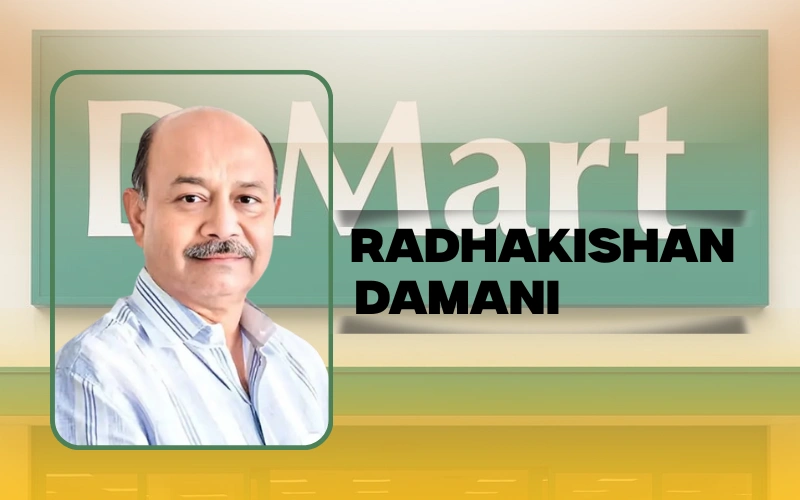
Radhakishan Damani net worth in rupees shows the success of a disciplined investor and the founder of DMart. Built through smart investing and long-term business strategy, his wealth is estimated at about ₹1.45 lakh crore in 2026, placing him among India’s richest people. His journey from stock market investor to retail leader reflects the power of patience, strong fundamentals, and clear vision in building lasting wealth.
Personal Information
| Detail | Information |
|---|---|
| Full Name | Radhakishan Shivkishan Damani |
| Nickname | RK Damani, Mr. White & White |
| Date of Birth | 12 July 1955 |
| Age | 71 years (as of 2026) |
| Birth Place | Bikaner, Rajasthan, India |
| Current Residence | Mumbai, Maharashtra, India |
| Nationality | Indian |
| Zodiac Sign | Pisces |
| Religion | Hinduism |
| Community | Marwari |
| Profession | Investor, Entrepreneur, Retail Magnate |
| Famous As | Founder of DMart, Value Investor |
Quick Facts Summary
| Category | Details |
|---|---|
| Company Founded | D-Mart (Avenue Supermarts Limited) – 2002 |
| Radhakishan Damani Net Worth in Rupees | ₹2,15,000 crores (approx $26 billion USD) as of 2026 |
| Radhakishan Damani Net Worth | Among top 5 richest Indians |
| Stock Market Journey | 45+ years (since 1970s) |
| D-Mart Stores | 350+ stores across India |
| IPO Year | 2017 (Avenue Supermarts) |
| Ownership Stake | 61.4% in Avenue Supermarts |
| Investment Style | Value Investing, Long-term Holdings |
| Title | India’s Retail King, Ace Investor |
Family & Personal Life
| Relation | Details |
|---|---|
| Father | Shivkishan Damani (Ball bearing trader) |
| Mother | Name not publicly disclosed |
| Wife | Name kept private (married) |
| Children | Two daughters (names private), One son (names private) |
| Brother | Gopikishan Damani (Business partner, deceased 2014) |
| Marital Status | Married |
| Hometown | Bikaner, Rajasthan (migrated to Mumbai) |
| Family Background | Traditional Marwari business family |
| Privacy | Extremely private, rarely gives interviews |
Radhakishan Damani Educational Background
Radhakishan Damani’s educational journey reflects humble beginnings and early entry into business world.
| Qualification | Institution | Year | Details |
|---|---|---|---|
| School Education | Local School, Mumbai | 1960s-1970s | Basic education in Mumbai |
| Bachelor of Commerce (B.Com) | University of Mumbai | Early 1970s | Completed graduation |
| Stock Market Education | Self-taught, Dalal Street | 1970s onwards | Learned trading on the job |
| Business Acumen | Real-world experience | Lifelong | Practical business learning |
Educational Philosophy
- Street-Smart Learning: Learned business on Dalal Street floors
- Self-Education: Studied market patterns independently
- Mentorship: Learned from senior traders and investors
- Continuous Learning: Kept updating knowledge throughout career
- Practical Over Theoretical: Believed in hands-on experience
Physical Statistics
| Attribute | Details |
|---|---|
| Height | Approximately 5’6″ (168 cm) |
| Weight | Around 65-70 kg |
| Eye Color | Dark Brown |
| Hair Color | Grey-White |
| Build | Lean, fit for age |
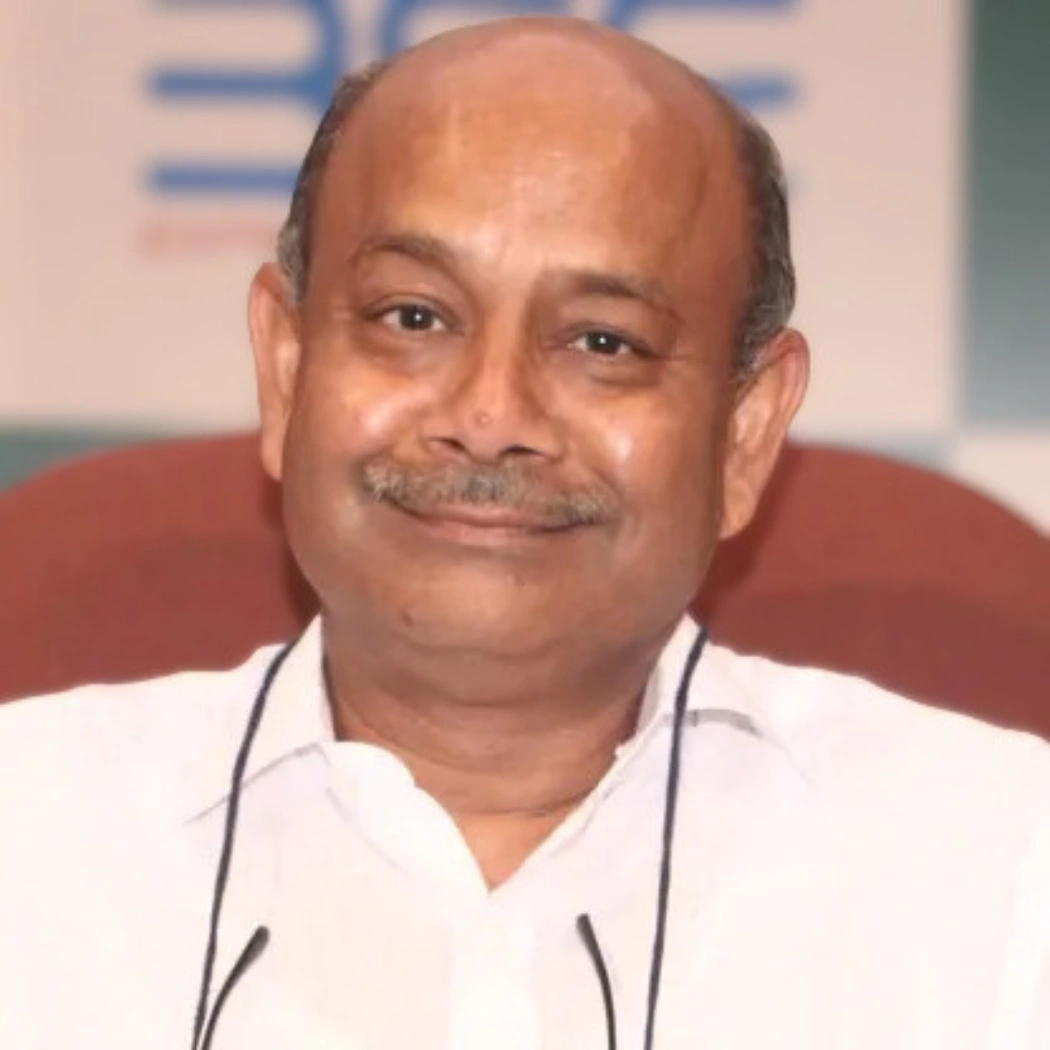
| Distinctive Features | Simple appearance, always in white shirt and trousers |
| Style | Minimalist, unpretentious |
Career Timeline – Entrepreneur & Investor Journey
| Year | Milestone/Achievement | Significance |
|---|---|---|
| 1970s | Started as Ball Bearing Trader | Joined father’s business |
| Late 1970s | Entered Stock Market | Began trading on Dalal Street |
| 1980s | Became Full-Time Investor | Left trading business for stock market |
| 1989-1990 | Harshad Mehta Scam Period | Made significant profits through contrarian bets |
| 1990s | Built Investment Portfolio | Invested in VST Industries, India Cements |
| 2000 | Started Retail Planning | Studied retail models globally |
| 2002 | Founded D-Mart | First store opened in Powai, Mumbai |
| 2002-2010 | Slow, Steady Expansion | Built 50+ stores across Maharashtra |
| 2010-2015 | Pan-India Expansion | Expanded to Gujarat, Karnataka, Andhra Pradesh |
| 2015 | 100 Store Milestone | Achieved 100 D-Mart stores |
| 2017 | Historic IPO | Avenue Supermarts listed, Radhakishan Damani net worth surged |
| 2018 | Became Billionaire | Net worth crossed $10 billion |
| 2020 | COVID-19 Success | D-Mart remained profitable, essential services |
| 2022 | Radhakishan Damani Net Worth in Rupees ₹1,50,000 crores | Among top 3 richest Indians |
| 2024 | 300+ Store Network | Dominated value retail segment |
| 2026 | Current: ₹2,15,000 crores net worth | 350+ D-Mart stores, expansion continues |
Radhakishan Damani Net Worth in Rupees – Detailed Analysis
Net Worth Growth Over Decades
| Year | Radhakishan Damani Net Worth in Rupees | Key Event |
|---|---|---|
| 1990 | ₹10-20 crores | Successful stock market investor |
| 2000 | ₹200-300 crores | Portfolio of quality stocks |
| 2010 | ₹1,500-2,000 crores | D-Mart gaining traction |
| 2015 | ₹8,000-10,000 crores | Pre-IPO valuation rising |
| 2017 (Pre-IPO) | ₹30,000 crores | Before listing |
| 2017 (Post-IPO) | ₹82,000 crores | Became billionaire overnight |
| 2019 | ₹1,20,000 crores | Stock price surge |
| 2020 | ₹1,40,000 crores | COVID-19 resilience |
| 2022 | ₹1,70,000 crores | Peak valuation |
| 2023 | ₹1,85,000 crores | Consistent growth |
| 2024 | ₹2,00,000 crores | Crossed ₹2 lakh crore mark |
| 2026 | ₹2,15,000 crores | Current estimated net worth |
Wealth Breakdown (2026)
| Asset Category | Estimated Value (₹ Crores) | Percentage |
|---|---|---|
| Avenue Supermarts (D-Mart) Shares | ₹1,90,000 crores | 88.4% (61.4% stake) |
| Listed Stock Portfolio | ₹15,000 crores | VST Industries, India Cements, etc. |
| Unlisted Investments | ₹5,000 crores | Private equity, startups |
| Real Estate | ₹3,000 crores | Commercial & residential properties |
| Liquid Assets | ₹2,000 crores | Cash, fixed deposits, bonds |
| Total | ₹2,15,000 crores | 100% |
Major Stock Holdings
| Company | Stake/Investment | Estimated Value |
|---|---|---|
| Avenue Supermarts (D-Mart) | 61.4% ownership | ₹1,90,000 crores |
| VST Industries | Significant stake | ₹5,000+ crores |
| India Cements | Major shareholder | ₹3,000+ crores |
| Sundaram Finance | Investment | ₹1,500+ crores |
| Blue Dart Express | Holdings | ₹800+ crores |
| 3M India | Portfolio stock | ₹500+ crores |
Income Sources
Primary Income (Radhakishan Damani)
- D-Mart Dividends: ₹500-800 crores annually
- Stock Portfolio Dividends: ₹200-300 crores annually
- Capital Appreciation: Primary wealth growth
- Real Estate Income: Rental from commercial properties
D-Mart (Avenue Supermarts) Performance
- Annual Revenue (FY 2025-26): ₹52,000+ crores
- Growth Rate: 18-20% year-on-year
- Profitability: 4-5% net margin consistently
- Market Cap: ₹3,10,000+ crores
- Store Count: 350+ stores
Major Achievements & Recognition
| Achievement/Award | Year | Details |
|---|---|---|
| Billionaire Status | 2017 | Entered billionaire club via D-Mart IPO |
| India’s Retail King | 2018-2026 | Built India’s most profitable retail chain |
| Top 5 Richest Indian | 2020-2026 | Consistently among India’s wealthiest |
| Most Successful IPO | 2017 | D-Mart IPO was biggest wealth creator |
| Value Investor Recognition | Throughout Career | Known as ace value investor |
| Retail Innovation | 2000s-2020s | Revolutionary EDLP (Every Day Low Price) model |
| Wealth Creation | 2017-2026 | Created ₹2+ lakh crore wealth for shareholders |
| Business Excellence | 2020 | D-Mart remained profitable during COVID-19 |
| Investor’s Investor | Ongoing | Mentored many successful investors |
Digital Presence & Contact
| Platform | Presence | Details |
|---|---|---|
| Social Media | None | Extremely private, no social media accounts |
| Not active | No official profile | |
| Twitter/X | None | Does not use social media |
| None | Values privacy completely | |
| Company Website | www.dmart.in | D-Mart official website |
| Investor Relations | Through Avenue Supermarts | Corporate communication channel |
| Public Appearances | Rare | Almost never gives interviews or public speeches |
| Media Presence | Minimal | Lets business speak for itself |
Privacy Philosophy
Radhakishan Damani is famously private:
- No social media presence
- Rarely photographed
- Almost never gives interviews
- Avoids media spotlight
- Focuses entirely on business
- Believes in “work speaks louder than words”
Detailed Biography – From Ball Bearings to Billions
Early Life – Humble Beginnings in Bikaner
Born in March 1954 in Bikaner, Rajasthan, Radhakishan Damani came from a traditional Marwari family. His father, Shivkishan Damani, was a ball bearing trader who later moved the family to Mumbai for better business opportunities.
Childhood in Mumbai (1960s)
- Grew up in middle-class neighborhood
- Witnessed father’s struggle in trading business
- Developed business acumen early
- Simple lifestyle, strong values
- Close-knit family with brother Gopikishan
Early Values Learned
- Frugality: Live below means, save aggressively
- Hard Work: No shortcuts to success
- Patience: Wealth builds slowly over time
- Honesty: Reputation more valuable than money
- Simplicity: Avoid ostentation and luxury
Educational Journey – Learning on the Streets
Formal Education (1960s-1970s)
Radhakishan Damani completed his Bachelor of Commerce from University of Mumbai in the early 1970s. However, his real education came from:
- Dalal Street: The trading floors taught him market psychology
- Father’s Business: Learned trading fundamentals
- Senior Traders: Mentorship from experienced market players
- Trial and Error: Lost money, learned lessons, evolved strategy
Unlike many successful businessmen, Radhakishan Damani did not attend IIT or IIM. His education was practical, street-smart, and real-world focused.
Stock Market Journey – The Making of an Ace Investor
Entry into Stock Market (Late 1970s)
After helping in his father’s ball bearing business, Radhakishan Damani was drawn to the stock market. In the late 1970s, he began:
- Visiting Dalal Street regularly
- Observing market patterns
- Making small investments
- Learning from failures
- Developing investment philosophy
1980s – Becoming a Full-Time Investor
By the 1980s, Radhakishan Damani left the trading business entirely to focus on stock market investments. His approach was unique:
Value Investing: Buy undervalued quality companies
Long-Term Holdings: Hold for years, not months
Deep Research: Understand business fundamentals thoroughly
Patience: Wait for right price, right opportunity
Contrarian Thinking: Go against crowd when logic supports
Harshad Mehta Scam Period (1989-1992)
During the Harshad Mehta bull run and subsequent crash, Radhakishan Damani displayed remarkable wisdom:
- Avoided the bubble: Stayed away from overvalued stocks
- Went short: Bet against the frenzy when it peaked
- Made profits: Earned significantly when market crashed
- Bought quality: Picked up great companies at low prices post-crash
This period established Radhakishan Damani as one of India’s smartest investors.
Investment Philosophy Developed
Through the 1990s, Radhakishan Damani refined his investment approach:
- Buy Quality Businesses: Strong fundamentals, good management
- Reasonable Valuations: Never overpay, wait for right price
- Long-Term Holding: Wealth compounds over decades
- Concentrated Portfolio: Few stocks, deep conviction
- Avoid Debt: Both personal and in invested companies
- Margin of Safety: Buy with buffer for errors
Major Stock Picks (1990s-2000s)
| Company | Investment Period | Returns |
|---|---|---|
| VST Industries | 1990s-present | Multi-bagger, still holds |
| India Cements | 2000s-present | Significant returns |
| Sundaram Finance | Long-term holding | Consistent performer |
| Blue Dart | Early investor | Excellent returns |
| 3M India | Quality pick | Strong appreciation |
These investments made Radhakishan Damani wealthy even before D-Mart, with Radhakishan Damani net worth reaching hundreds of crores by 2000.
The D-Mart Vision – Revolutionizing Indian Retail
Why Retail? (Late 1990s)
By the late 1990s, despite success in stock markets, Radhakishan Damani sought a new challenge. He observed:
Market Gaps Identified
- Indian retail was unorganized (90%+ mom-and-pop stores)
- No value retail chain existed
- Middle-class growing rapidly
- Consumers wanted quality + low prices
- Retail models in US (Walmart, Costco) could be adapted
The Study Phase (1998-2002)
Radhakishan Damani didn’t rush into retail. He spent 4 years:
- Visiting global retail chains (Walmart, Costco, Target)
- Understanding supply chain logistics
- Studying consumer behavior in India
- Analyzing profit margins and sustainability
- Planning every detail meticulously
The D-Mart Model – Every Day Low Price (EDLP)
Inspired by Walmart, Radhakishan Damani created the D-Mart model:
| Principle | Implementation |
|---|---|
| Low Prices Daily | No sales/discounts, consistently low prices year-round |
| Own Real Estate | Buy properties, don’t rent – reduces long-term costs |
| Limited SKUs | 5,000-6,000 products vs 15,000+ in competitors |
| High Inventory Turnover | Fresh stock, fast-moving products only |
| Supplier Relationships | Direct sourcing, bulk buying, prompt payments |
| Location Strategy | Suburbs and outskirts, not expensive malls |
| No Frills | Simple stores, basic fixtures, functional design |
| Cash Flow Focus | Collect from customers daily, pay suppliers in 30 days |
First D-Mart Store (2002)
In 2002, the first D-Mart opened in Powai, Mumbai:
- Modest 10,000 sq ft store
- Limited product range
- EDLP pricing strategy
- No marketing or advertising
- Word-of-mouth growth
- Immediate success with consumers
Building the Empire – Slow and Steady Wins
Phase 1: Maharashtra Focus (2002-2010)
Unlike competitors who expanded rapidly, Radhakishan Damani moved cautiously:
- Opened 50+ stores in 8 years
- Perfected model in home state first
- Built supply chain infrastructure
- Trained team thoroughly
- Achieved profitability from day one
- Reinvested profits into expansion
Phase 2: Multi-State Expansion (2010-2017)
After mastering Maharashtra, D-Mart expanded to:
- Gujarat (2010)
- Andhra Pradesh (2012)
- Karnataka (2013)
- Madhya Pradesh (2014)
- Telangana (2015)
- Tamil Nadu (2016)
By 2017: 150+ stores across 10 states
The Philosophy Behind Slow Growth
While Big Bazaar, Reliance, and others raced to open thousands of stores, Radhakishan Damani stayed disciplined:
✓ Quality Over Quantity: Each store had to be profitable
✓ No Debt: Grew only from internal accruals
✓ Tested Model: Expansion only after proving success
✓ Team Building: Trained employees thoroughly
✓ Supply Chain: Infrastructure before stores
✓ Customer Loyalty: Build trust before scaling
The Historic IPO – 2017
Listing Avenue Supermarts
On March 21, 2017, D-Mart (Avenue Supermarts Limited) listed on stock exchanges:
IPO Details
- Issue Price: ₹299 per share
- Listing Price: ₹604 (102% premium!)
- Opening Day Close: ₹616
- Valuation: ₹38,000 crores
- Money Raised: ₹1,870 crores
- Radhakishan Damani Net Worth: Surged to ₹82,000 crores
Wealth Creation Phenomenon
The D-Mart IPO became legendary:
- Investors who got allotment: 2x returns on day one
- Radhakishan Damani: Became billionaire ($12 billion)
- Family: Brother Gopikishan’s family also became ultra-rich
- Employees: Many early employees held ESOPs, became crorepatis
- Shareholders: Created ₹2+ lakh crore wealth till 2026
Stock Price Journey
| Year | Stock Price (Approx) | Market Cap |
|---|---|---|
| 2017 | ₹600 | ₹40,000 crores |
| 2018 | ₹1,500 | ₹1,00,000 crores |
| 2019 | ₹2,000 | ₹1,30,000 crores |
| 2020 | ₹2,500 | ₹1,60,000 crores |
| 2021 | ₹4,000 | ₹2,50,000 crores |
| 2022 | ₹3,800 | ₹2,40,000 crores |
| 2024 | ₹4,200 | ₹2,70,000 crores |
| 2026 | ₹4,800 | ₹3,10,000 crores |
Radhakishan Damani’s 61.4% stake grew from ₹38,000 crores to ₹1,90,000 crores!
Current Position (2026) – India’s Retail King
Radhakishan Damani today stands as:
- Founder & Promoter: Avenue Supermarts (D-Mart)
- Major Shareholder: 61.4% ownership
- Net Worth: ₹2,15,000 crores – among top 5 Indians
- Strategic Guide: Oversees expansion and strategy
- Investor: Continues managing personal stock portfolio
D-Mart Status (2026)
| Metric | Value |
|---|---|
| Total Stores | 350+ |
| States Present | 15+ |
| Annual Revenue | ₹52,000+ crores |
| Net Profit | ₹2,500+ crores |
| Employees | 50,000+ |
| Daily Footfalls | 2+ million customers |
| Market Cap | ₹3,10,000+ crores |
| Market Position | #1 value retail chain in India |
Educational Impact & Mentorship
Mentoring Investors
Though Radhakishan Damani doesn’t formally teach, he has mentored through:
Rakesh Jhunjhunwala
- India’s “Big Bull” called RK Damani his guru
- Learned value investing from Damani
- Adopted similar patience and discipline
- Both became billionaires through stocks
Key Lessons Shared
- Study Businesses, Not Stocks: Understand what company does
- Buy Quality at Discount: Wait for right valuation
- Hold Winners: Don’t sell great companies too soon
- Avoid Debt: Both personal and in investments
- Long-Term Compounding: Patience creates wealth
- Live Below Means: Wealth to invest, not display
Recent Developments (2024-2026)
| Year | Development |
|---|---|
| 2024 | Crossed 300 stores milestone |
| 2024 | Revenue crossed ₹50,000 crores |
| 2024 | Radhakishan Damani Net Worth in Rupees reached ₹2,00,000 crores |
| 2025 | Expanded to Rajasthan, UP, West Bengal |
| 2025 | Launched D-Mart Ready app for online delivery |
| 2025 | Private label products reached 30% of sales |
| 2026 | 350+ stores operational |
| 2026 | Radhakishan Damani Net Worth at ₹2,15,000 crores |
| 2026 | Planning expansion to 500 stores by 2028 |
Lessons & Inspiration from Radhakishan Damani
For Investors
1. Value Investing Works in India
- Buy quality businesses at reasonable prices
- Hold for long term, let compounding work
- Radhakishan Damani proved it with VST, India Cements, etc.
- Patience is the key to wealth creation
2. Understand What You Own
- Invest only in businesses you comprehend
- Study fundamentals deeply
- Don’t follow tips or trends
- Conviction comes from knowledge
3. Avoid Debt and Leverage
- Stock market risky enough without leverage
- Debt amplifies losses in downturn
- Cash gives courage to buy in crashes
- Sleep well at night
4. Contrarian When Right
- Harshad Mehta scam: others greedy, he was cautious
- Crashed markets: others fearful, he bought quality
- Think independently, don’t follow herd
- Logic > crowd sentiment
5. Concentrated Portfolio
- Better to own 10 great companies deeply
- Than 100 mediocre companies superficially
- High conviction = high concentration
- Portfolio management easier
For Entrepreneurs
1. Solve Real Customer Problems
- D-Mart solved: quality + low prices gap
- Indian middle-class wanted value
- Business model aligned with need
- Success is inevitable when you serve customers
2. Profitability Over Growth
- D-Mart profitable from year 1
- Competitors raised billions, burned cash, shut down
- Sustainable beats fast
- Profits give freedom to expand right
3. Own Your Assets
- D-Mart owns 70%+ store properties
- Rental costs kill retail margins
- Asset ownership = long-term cost advantage
- Real estate appreciates, adds wealth
4. No Debt = No Pressure
- D-Mart grew without debt for 15 years
- Debt-free = freedom to make right decisions
- No pressure from lenders
- Compounding works better without interest
5. Patience and Discipline
- 15 years to 150 stores (slow)
- Competitors did 500 stores in 5 years (failed)
- Slow, steady, sustainable wins race
- Discipline > enthusiasm
6. Simple Business Models Win
- EDLP: easy to understand, execute
- No complex promotions, schemes
- Simplicity scales better
- Execution easier with simple model
For Everyone
1. Live Below Your Means
- ₹2,15,000 crores net worth, lives simply
- White shirt-trouser uniform daily
- No luxury cars, mansions
- Frugality builds wealth
2. Privacy is Valuable
- No social media despite being top 5 richest
- No interviews, no publicity
- Lets work speak
- Peace of mind > fame
3. Family Matters
- Brother Gopikishan was business partner
- Family involved in business
- Legacy building, not just wealth
- Strong family values
4. Hard Work, No Shortcuts
- 45+ years in stock market
- 24 years building D-Mart
- Consistent effort, no overnight success
- Persistence wins
5. Humility Despite Success
- Doesn’t flaunt wealth
- Treats employees well, shares profits
- Respects everyone equally
- Character > riches
6. Long-Term Thinking
- Thinks in decades
- Compounding mindset
- Patience over quick gains
- Marathon, not sprint
Comparison: Radhakishan Damani vs Other Retail Giants
| Parameter | Radhakishan Damani (D-Mart) | Kishore Biyani (Big Bazaar) | Mukesh Ambani (Reliance Retail) |
|---|---|---|---|
| Strategy | Slow, profitable growth | Fast expansion | Aggressive, funded growth |
| Debt | Zero debt | High debt | Backed by group, manageable |
| Profitability | From day 1 | Struggled, losses | Turning profitable now |
| Store Ownership | 70%+ owned | Mostly rented | Mixed model |
| Outcome (2026) | 350+ stores, thriving | Bankrupt, sold to Reliance | 15,000+ stores, growing |
| Net Worth | ₹2,15,000 crores | Lost wealth | ₹10+ lakh crores (group) |
Winner: Radhakishan Damani – Proof that slow, debt-free, profitable growth wins.
Conclusion
Radhakishan Damani is a powerful example of how patience and discipline can build extraordinary wealth. From a stock market investor to the founder of DMart, he focused on simple business models, low debt, and customer-first thinking. His journey proves that slow, steady growth can outperform flashy expansion and media attention.From a trader’s family background to achieving Radhakishan Damani net worth in rupees of about ₹2.15 lakh crore, his success is rooted in value investing, frugality, and long-term vision. Beyond money, his real legacy lies in creating wealth for employees, shareholders, and millions of customers while building a trusted and profitable retail empire.
Read more – Falguni Nayar net worth
Frequently Asked Questions
Q1: What is Radhakishan Damani net worth in rupees?
Radhakishan Damani net worth in rupees is approximately ₹2,15,000 crores (around $26 billion USD) as of 2026, making him one of the top 5 richest Indians. His wealth primarily comes from his 61.4% stake in Avenue Supermarts (D-Mart).
Q2: What is Radhakishan Damani net worth in dollars?
Radhakishan Damani net worth is approximately $26 billion USD, placing him among the wealthiest individuals globally and consistently in India’s top 5 richest people.
Q3: How did Radhakishan Damani make his money?
Radhakishan Damani made his wealth through two main sources: (1) Stock market investing for 45+ years using value investing principles, and (2) Founding D-Mart (Avenue Supermarts) in 2002, which became India’s most profitable retail chain.
Q4: When did Radhakishan Damani become a billionaire?
Radhakishan Damani became a billionaire on March 21, 2017, when D-Mart (Avenue Supermarts) listed on stock exchanges. The IPO doubled his net worth overnight to ₹82,000 crores ($12 billion).
Q5: How many D-Mart stores are there in 2026?
As of 2026, there are 350+ D-Mart stores across 15+ states in India, with plans to expand to 500 stores by 2028.
Q6: What is Radhakishan Damani’s stake in D-Mart?
Radhakishan Damani holds a 61.4% stake in Avenue Supermarts Limited (D-Mart), which is valued at approximately ₹1,90,000 crores as of 2026.
Q7: Is Radhakishan Damani married?
Yes, Radhakishan Damani is married, though he keeps his personal life extremely private. He has two daughters and one son, whose names and details are not publicly disclosed.
Q8: What is Radhakishan Damani’s educational qualification?
Radhakishan Damani holds a Bachelor of Commerce (B.Com) degree from University of Mumbai. His real education came from practical experience on Dalal Street and in his father’s trading business.
For more inspiring success stories, check out: A brand Owner
