
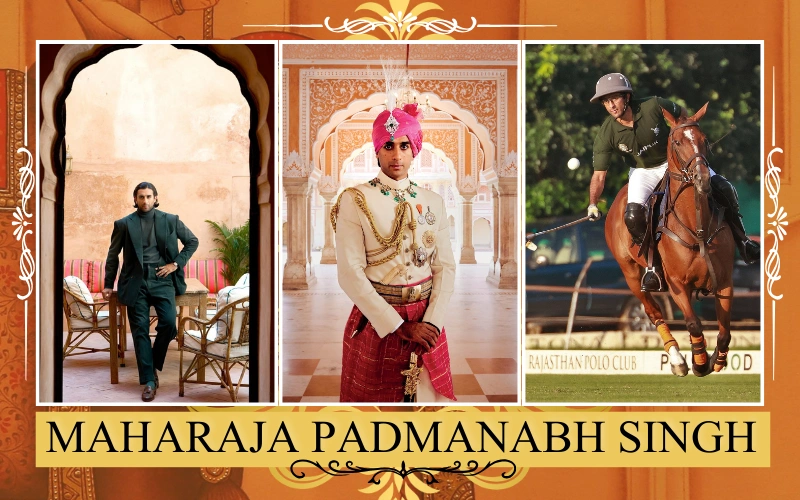
You’re here because you’ve heard the name Padmanabh Singh floating around—maybe in a fashion headline, a royal story, or during a high-profile polo tournament. Perhaps someone mentioned “India’s youngest Maharaja,” and your curiosity did the rest.
Quick Stats: Sawai Padmanabh Singh At A Glance
| Category | Details |
|---|---|
| Full Name | Maharaja Sawai Padmanabh Singh |
| Date of Birth | July 2, 1998 |
| Birthplace | New Delhi, India |
| Nickname | Pacho (given by his grandmother, Rajmata Padmini Devi) |
| Unofficial Title | 303rd Titular Maharaja of Jaipur |
| Dynasty / Clan | Kachhwaha (Rajput) |
| Mother | Diya Kumari (Indian politician, former MLA) |
| Father | Narendra Singh |
| Great-grandfather | Maharaja Sawai Man Singh II (last ruling Maharaja of Jaipur State) |
| Maternal Grandfather | Bhawani Singh (Indian soldier, hotelier, son of Man Singh II) |
| Parents’ Marital Status | Divorced in 2018 |
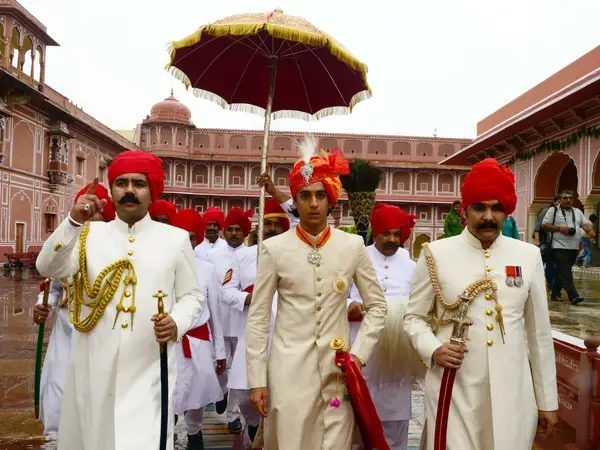
| Unofficial Coronation | 2011 (at age 12, upon Bhawani Singh’s death) |
| Education | Mayo College (Ajmer), Millfield School (Somerset, England), Università e Nobil Collegio Sant’Eligio (Rome, since 2018) |
| Polo Career Start | 2015, Guards Polo Club, England |
| Residence | City Palace, Jaipur |
| Marital Status | Unmarried (as of 2026) |
Bio / Wiki
| Field | Details |
|---|---|
| Full Title | Maharaja Sawai Padmanabh Singh of Jaipur |
| Lineage | 303rd descendant of the Royal Family of Jaipur; great-grandson of Man Singh II |
| Parents | Princess Diya Kumari (mother) & Narendra Singh, Thikana Kothara of Shivad (father) |
| Named Heir | At age 4, by grandfather Maharaja Sawai Bhawani Singh |
| Became Maharaja | 2011, at age 12, following the death of Bhawani Singh |
| Coronation | Ceremonial; 12-gun salute, guard of honour, traditional sword ceremony |
| Title Status | Titular/informal (princely titles abolished in India in 1971) |
Early Life & Education
| Field | Details |
|---|---|
| School (India) | Mayo College, Ajmer — known for strict discipline and boarding life |
| School (UK) | Millfield School, Street, Somerset, England — renowned for sports-focused curriculum |
| University | Liberal Arts, New York University (NYU) |
| Post-Grad Studies | Università e Nobil Collegio Sant’Eligio, Rome (from 2018) — Cultural Heritage Management, Art History, Italian Language |
| Childhood Upbringing | Boarding school instilled discipline; no royal privileges at school; comfortable sleeping on friends’ floors or traveling by train |
| Nickname Origin | “Pacho” — given by his grandmother, Rajmata Padmini Devi |
Career Highlights & Achievements
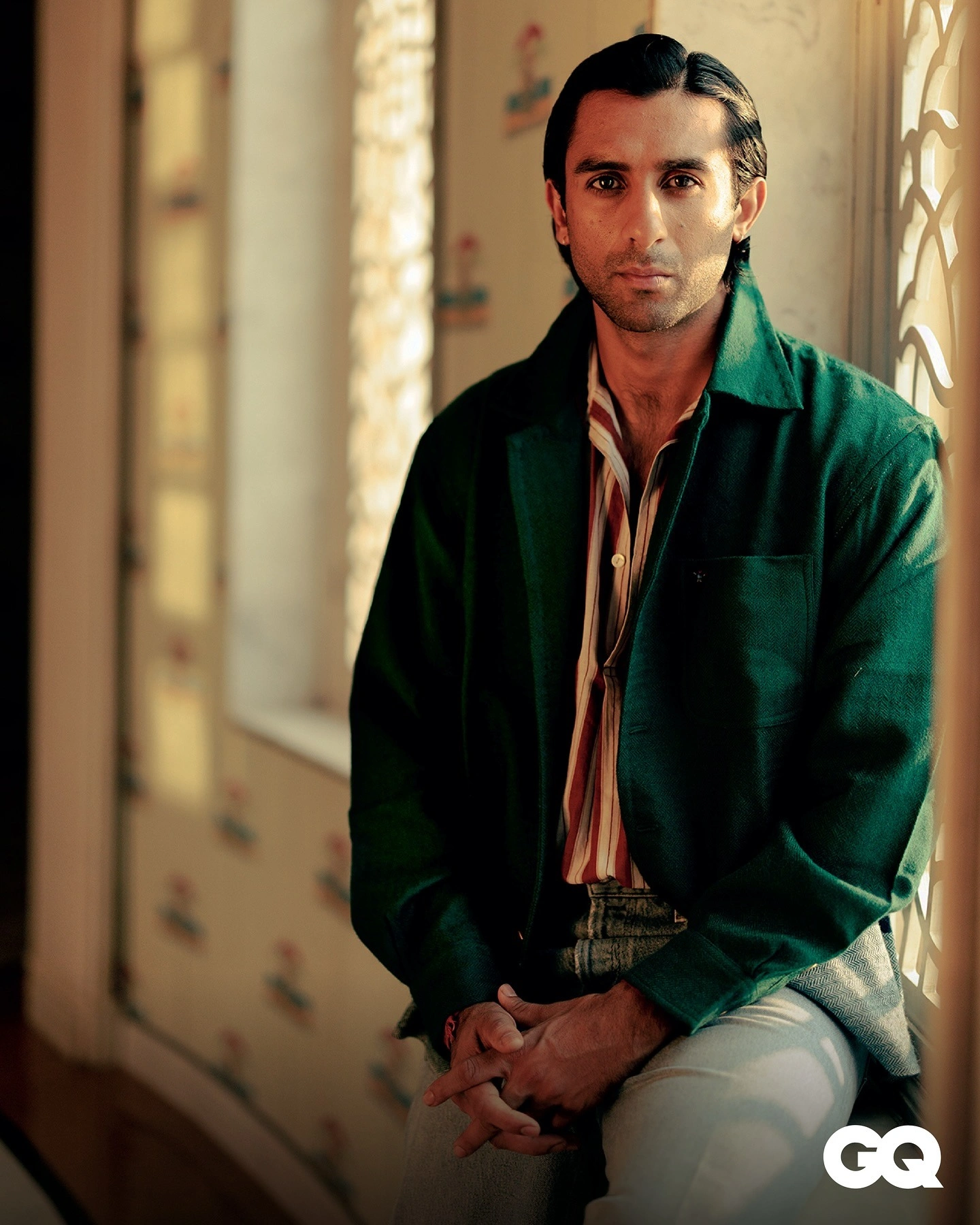
| Year / Event | Achievement |
|---|---|
| 2015 | Entered competitive polo at England’s Guards Polo Club |
| 2016 | Achieved a two-goal handicap by age 16 |
| 2017 | Led Indian national polo team at Hurlingham Park, London — first Indian team visit in 70+ years |
| 2018 | Named to Forbes 30 Under 30 Asia list |
| 2019 | Listed a City Palace suite on Airbnb — blending royal heritage with modern hospitality |
| 2022 | Named Captain of Indian Polo Team for the World Cup; crowned Most Valuable Polo Player at La Polo Indian Polo Awards |
| Polo Titles | Nearly 100 titles across international and domestic tournaments |
| Cultural Work | Spearheaded restoration of forts, palaces & monuments; transformed City Palace Museum into a living heritage site |
| Business | Manages Jaipur Palace Hotels in partnership with Taj Hotels |
Personal Life
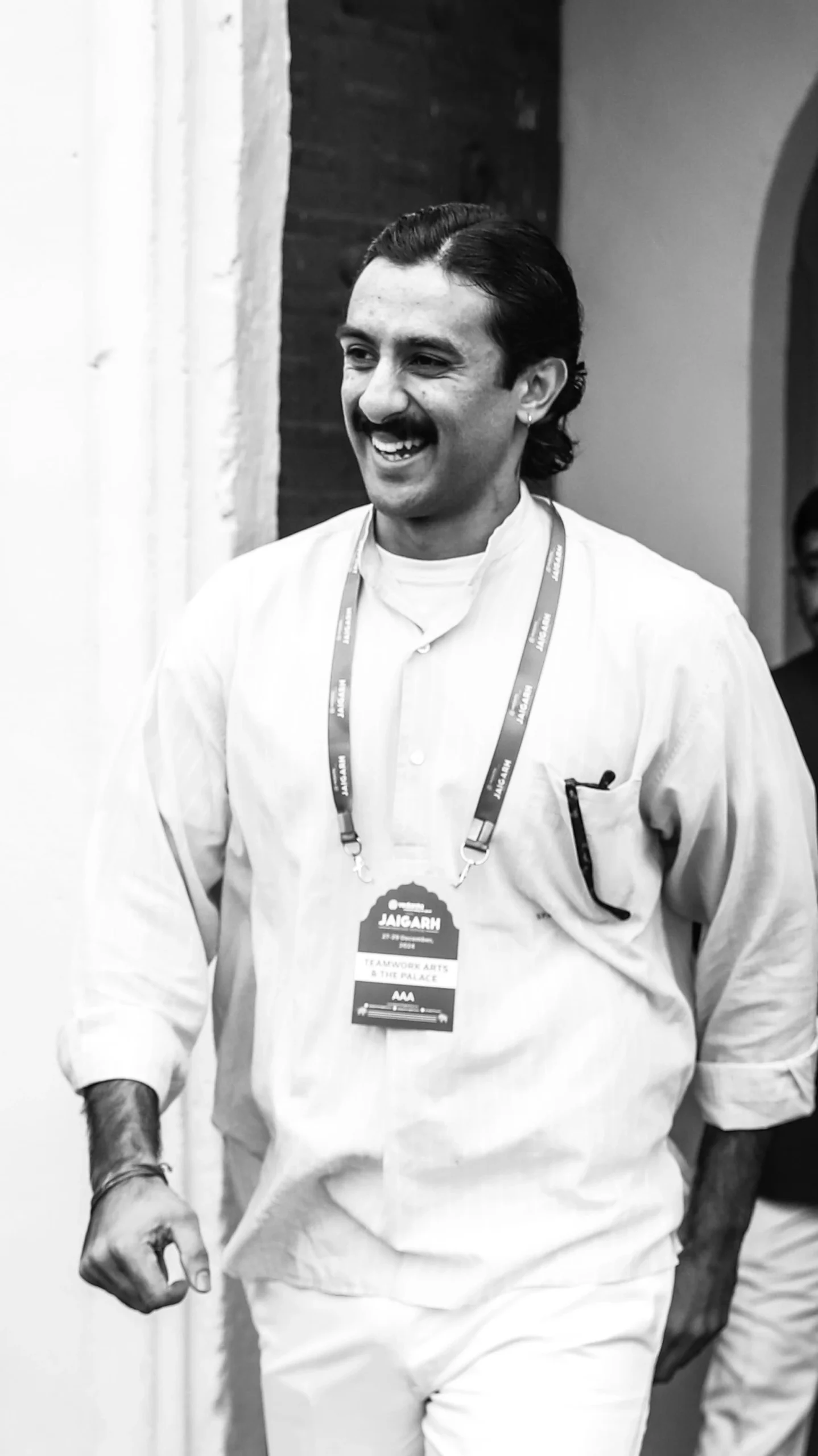
| Field | Details |
|---|---|
| Siblings | Rajkumari Gauravi Kumari (younger sister), Maharaja of Sirmur (younger brother) |
| Mother | Princess Diya Kumari — BJP parliamentarian, former MLA of Sawai Madhopur |
| Grandfather | Maharaja Sawai Bhawani Singh (deceased 2011) |
| Great-Grandfather | Man Singh II — legendary polo player & last ruling Maharaja of Jaipur |
| Godfather | Prince of Wales (now King Charles III) |
| Hobbies | Polo, travel, art, architecture, fashion, exotic car collection |
| Languages | English, Hindi, Italian (and more) |
| Relationship Status | Private / Not publicly disclosed |
Style, Fashion & Favourite Things
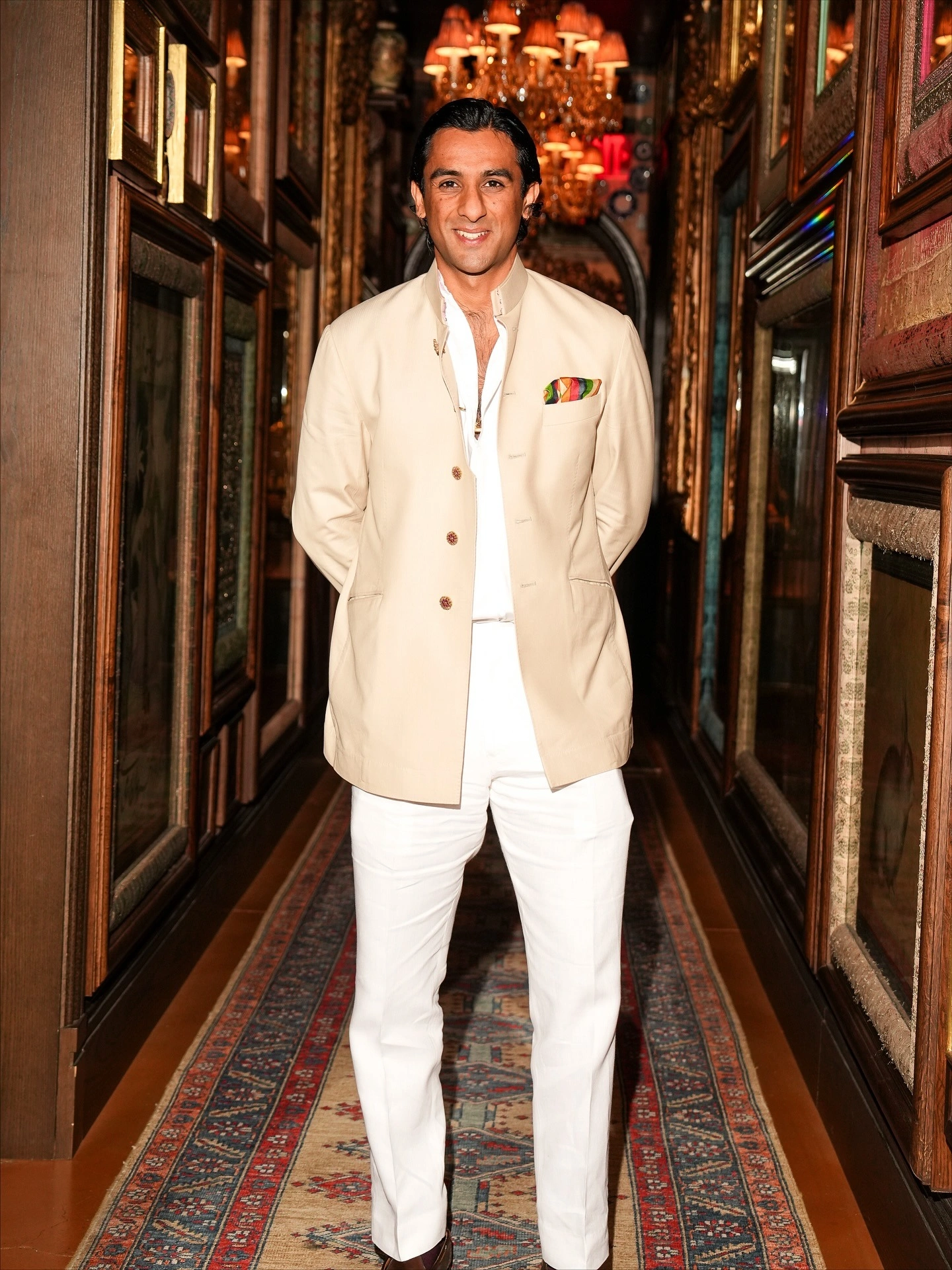
| Field | Details |
|---|---|
| Fashion Runway | Walked for Dolce & Gabbana at Milan Men’s Fashion Week |
| Brand Collaborations | Giorgio Armani, Piaget, Ralph Lauren, US Polo Association |
| Magazine Covers | GQ Men, Vogue Arabia, Elle, Architectural Digest, SCMP Style |
| Style Signature | Effortlessly switches between sherwanis and designer suits; regal yet approachable |
| Collections | Polo ponies, exotic cars, royal artefacts |
| Favourite Sports | Polo (competitive); also enjoys equestrian sports |
| Academic Passion | Art history, cultural heritage management |
He Became a Maharaja at 12 — And the Story Behind It Is Deeply Human
Every remarkable life has a turning point. For Padmanabh Singh, that turning point came in 2011 — wrapped in grief, in tradition, and in an enormous amount of responsibility for someone who had barely entered his teenage years.
Born on July 2, 1998, in New Delhi, Padmanabh is the son of Diya Kumari — an Indian politician and the only daughter of the late Bhawani Singh — and her husband, Narendra Singh. His great-grandfather, Man Singh II, was the last ruling Maharaja of the princely state of Jaipur during the British Raj — a man celebrated across the polo world as one of the sport’s greatest players and admired across Rajasthan as a visionary ruler.
His grandfather, Bhawani Singh, was a decorated soldier who received the Maha Vir Chakra for his bravery during the 1971 Indo-Pakistani War, and later became a celebrated hotelier who transformed the family’s royal properties into some of India’s most acclaimed heritage hotels.
Close family members have always called Padmanabh by a warmer, more intimate name — “Pacho” — a nickname given to him by his grandmother, the beloved Rajmata Padmini Devi. In a life defined by grandeur and public ceremony, a nickname like that is a beautifully human anchor.
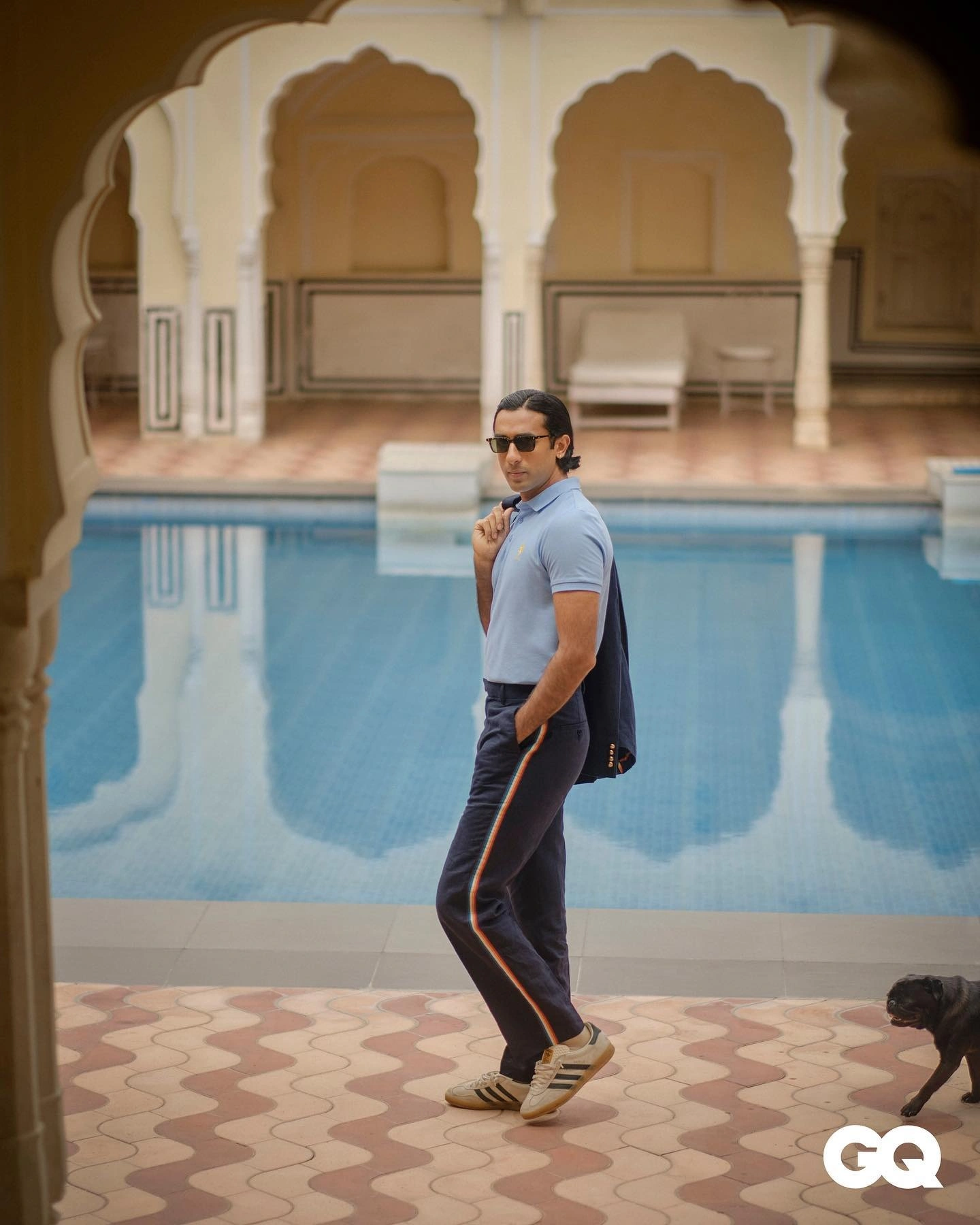
When Bhawani Singh passed away in 2011, the cultural and ceremonial responsibilities of the Jaipur royal family fell, quietly and suddenly, on a 12-year-old schoolboy. Maharaja Padmanabh Singh was unofficially installed as the new head of the Kachhwaha clan — the former royal family of Jaipur State.
Before anyone misunderstands: India officially abolished princely titles, pensions, and privileges in 1971. As Wikipedia and multiple respected historians note, families of former princely states have continued to use these titles informally — for family ceremonies, cultural heritage, and tourism — and the Jaipur royal family is one of the most prominent examples of this cultural continuity. The “Maharaja” title carries emotional and cultural weight for millions of people across Rajasthan, even if it carries no legal authority.
One more personal note worth acknowledging: his parents, Diya Kumari and Narendra Singh, divorced in 2018. Through that private transition, Sawai Padmanabh Singh maintained his composure, continued his education, built his polo career, and kept growing — quietly, steadily, impressively.
His Royal Lineage Is One of India’s Most Extraordinary — Meet the Kachhwahas
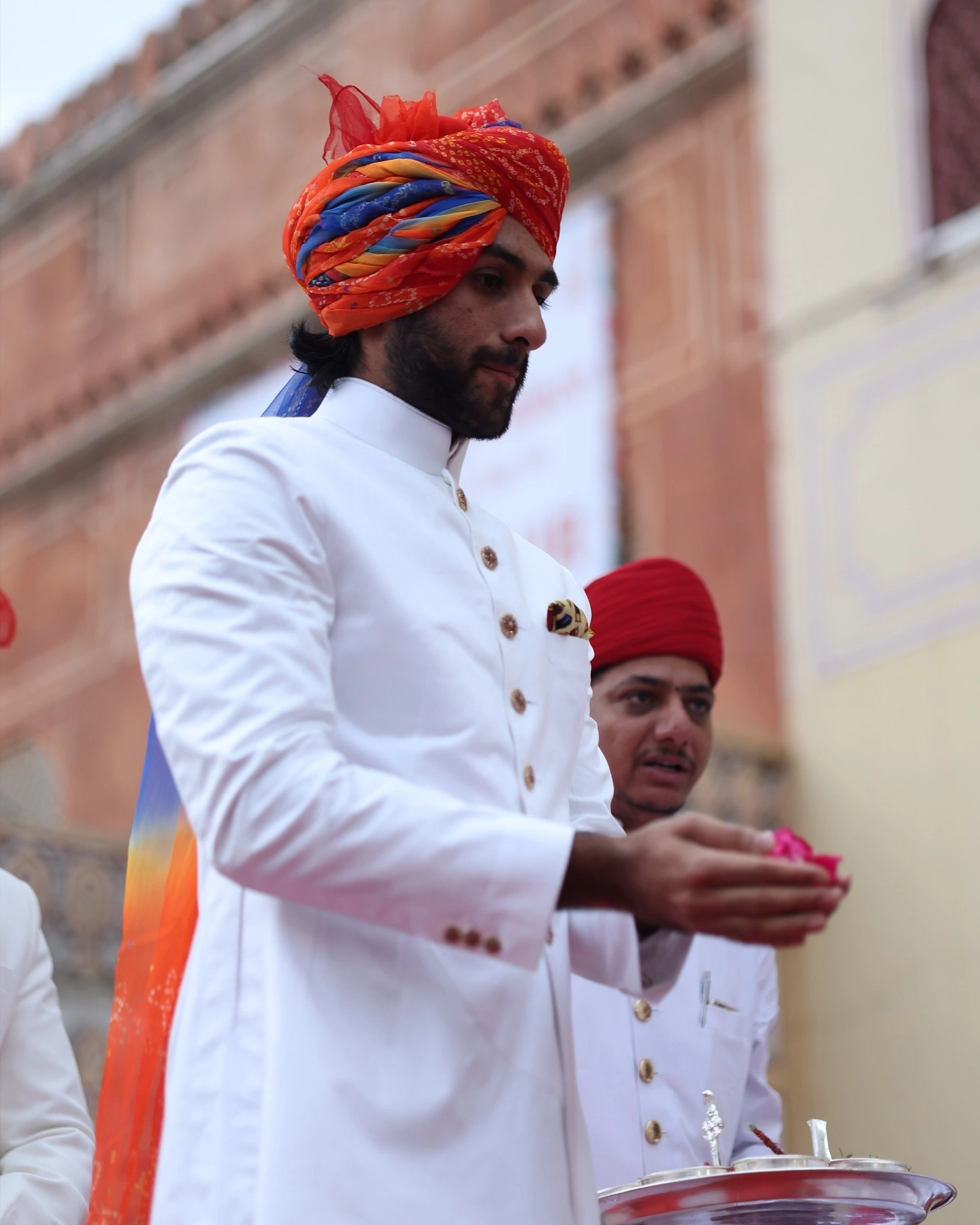
To truly get Padmanabh Singh, you have to zoom out and see the canvas he was born onto. The Kachhwaha dynasty isn’t just a royal family. It’s a 300-year civilisation project that shaped Rajasthan’s art, architecture, culture, and identity.
The Kachhwaha Rajputs trace their lineage to the ancient Solar Dynasty — the legendary bloodline associated with Lord Ram in Hindu tradition. They established their capital at Amber (now Amer Fort), just outside modern Jaipur, before Maharaja Sawai Jai Singh II founded the iconic walled Pink City in 1727 — a city that now attracts millions of visitors from across the globe every year.
The Kachhwahas were celebrated for military prowess, diplomatic sophistication — particularly in their complex, strategic relationship with the Mughal Empire — and for extraordinary cultural and architectural patronage. Amber Fort, Jaigarh Fort, Nahargarh Fort, the Hawa Mahal, and the sweeping City Palace all stand as enduring monuments to their centuries of vision and ambition.
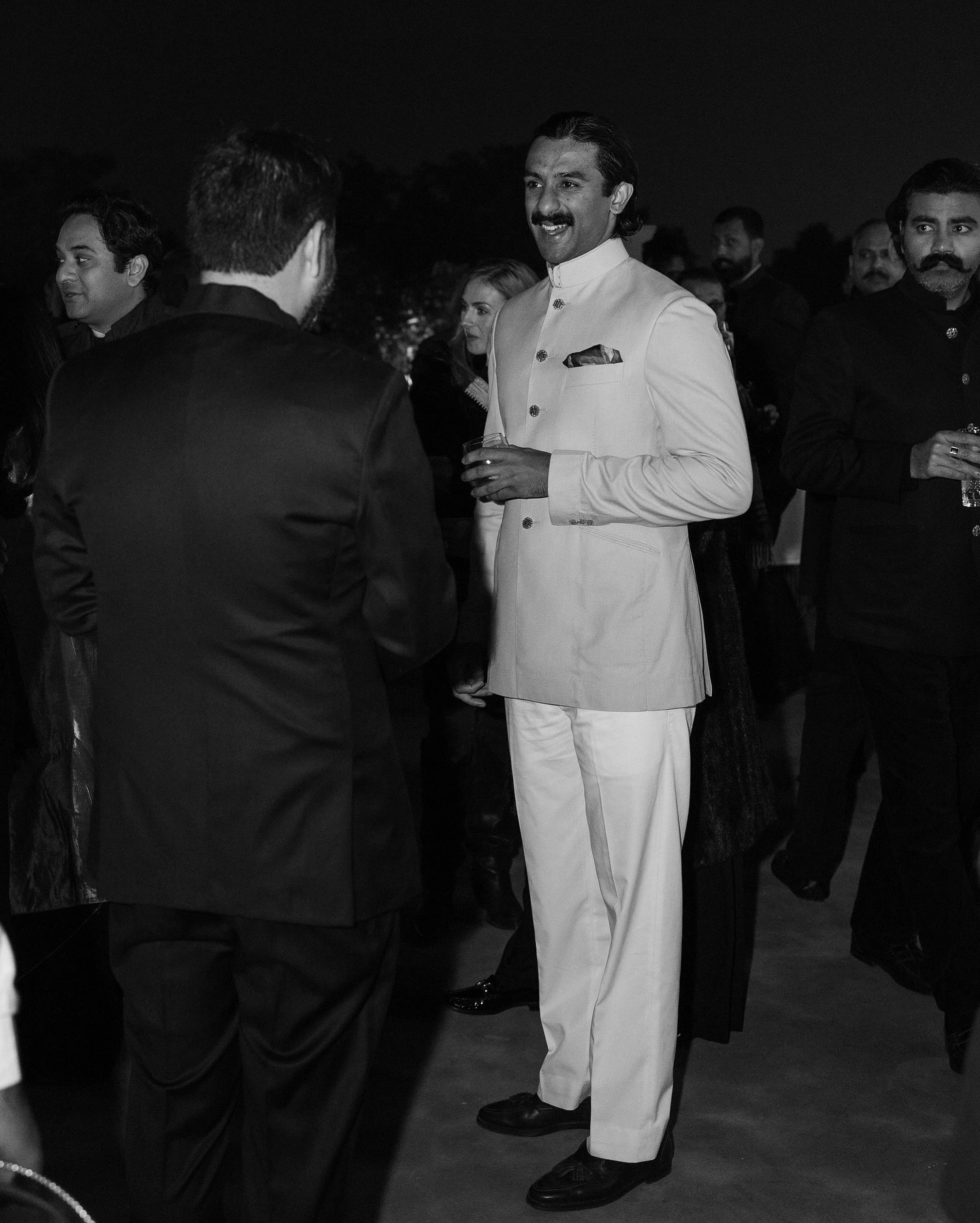
By the time Padmanabh Singh’s great-grandfather Man Singh II became Maharaja, the family had evolved into internationally celebrated figures of luxury, sport, and culture. Man Singh II was among the finest polo players in history, a globally recognised personality, and a leader who navigated India’s independence while securing the family’s extraordinary estate.
His grandfather Bhawani Singh took that evolution further — converting royal palaces into world-class heritage hotels through a visionary partnership with Taj Hotels, most famously the Rambagh Palace, which opened as a hotel in 1958 and is today considered one of Asia’s finest heritage properties.
When Maharaja Padmanabh Singh stepped into this legacy at 12, he inherited not merely a title and a set of magnificent buildings. He inherited 300 years of storytelling, artistry, diplomacy, sport, and cultural identity. That’s both an extraordinary gift and a sobering responsibility — and the way he has carried it says everything about his character.
His Education Spanned Three Countries and Two Continents
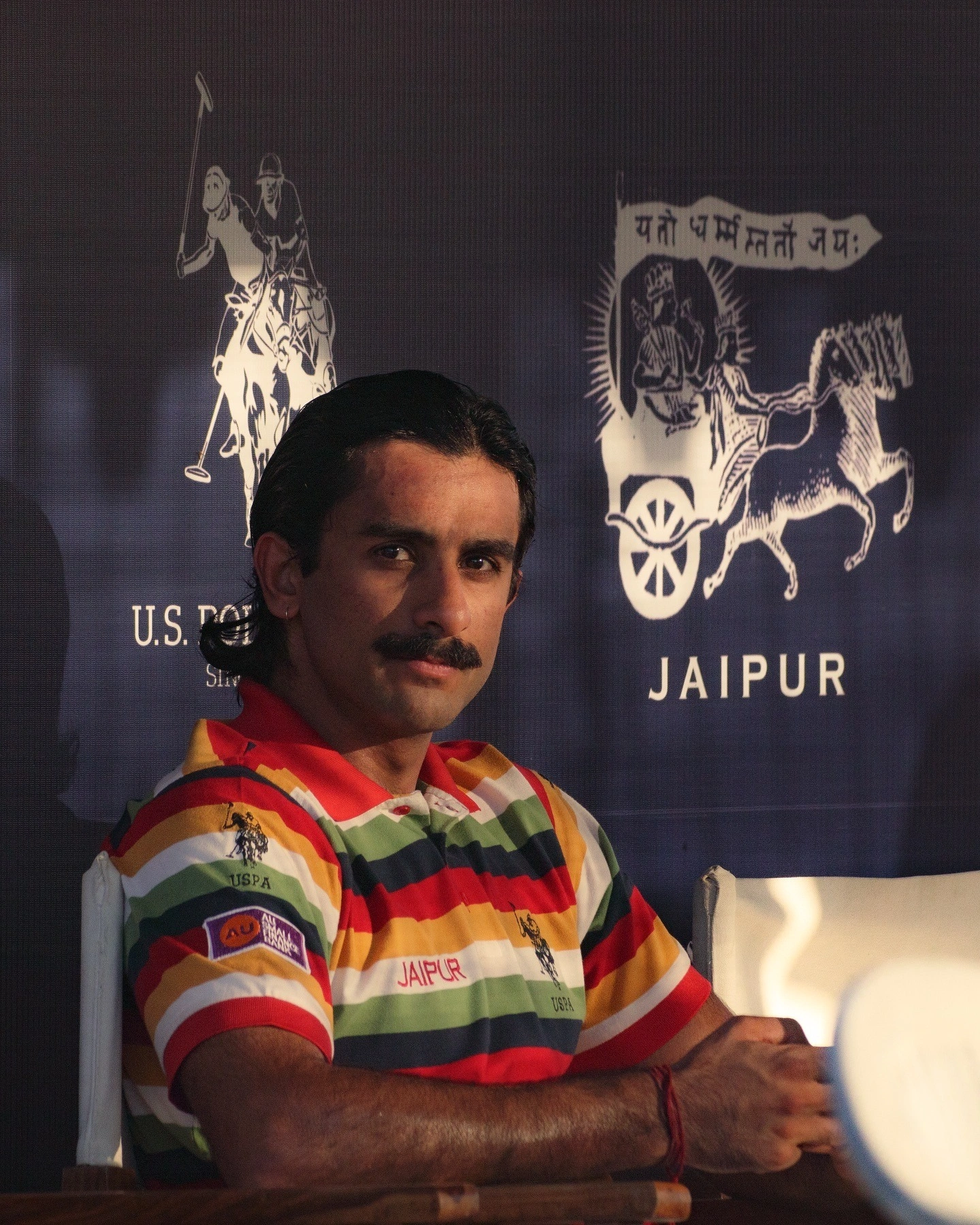
Let’s put one myth firmly to rest: Padmanabh Singh did not grow up in a pampered bubble where his royal surname did all the work. His education was rigorous, demanding, and earned across two continents and three very different academic cultures.
It began at Mayo College in Ajmer — one of India’s most prestigious boarding schools, founded in 1875. Mayo College is not a place where privilege earns you a pass; it is a school built on structured discipline, communal living, and the expectation that every student earns their standing through effort. The boarding school environment — away from home, equal in its demands regardless of background — shaped the work ethic and independence that Sawai Padmanabh Singh has spoken about with genuine appreciation in interviews.
From Ajmer, his journey crossed continents to Millfield School in Street, Somerset, England. Founded in 1935, Millfield is world-famous for producing elite athletes and accomplished scholars in equal measure. Its outstanding equestrian and polo training facilities made it the ideal environment for a young man whose sporting instincts were already beginning to sharpen. It was here that Padmanabh’s polo game began its serious evolution.
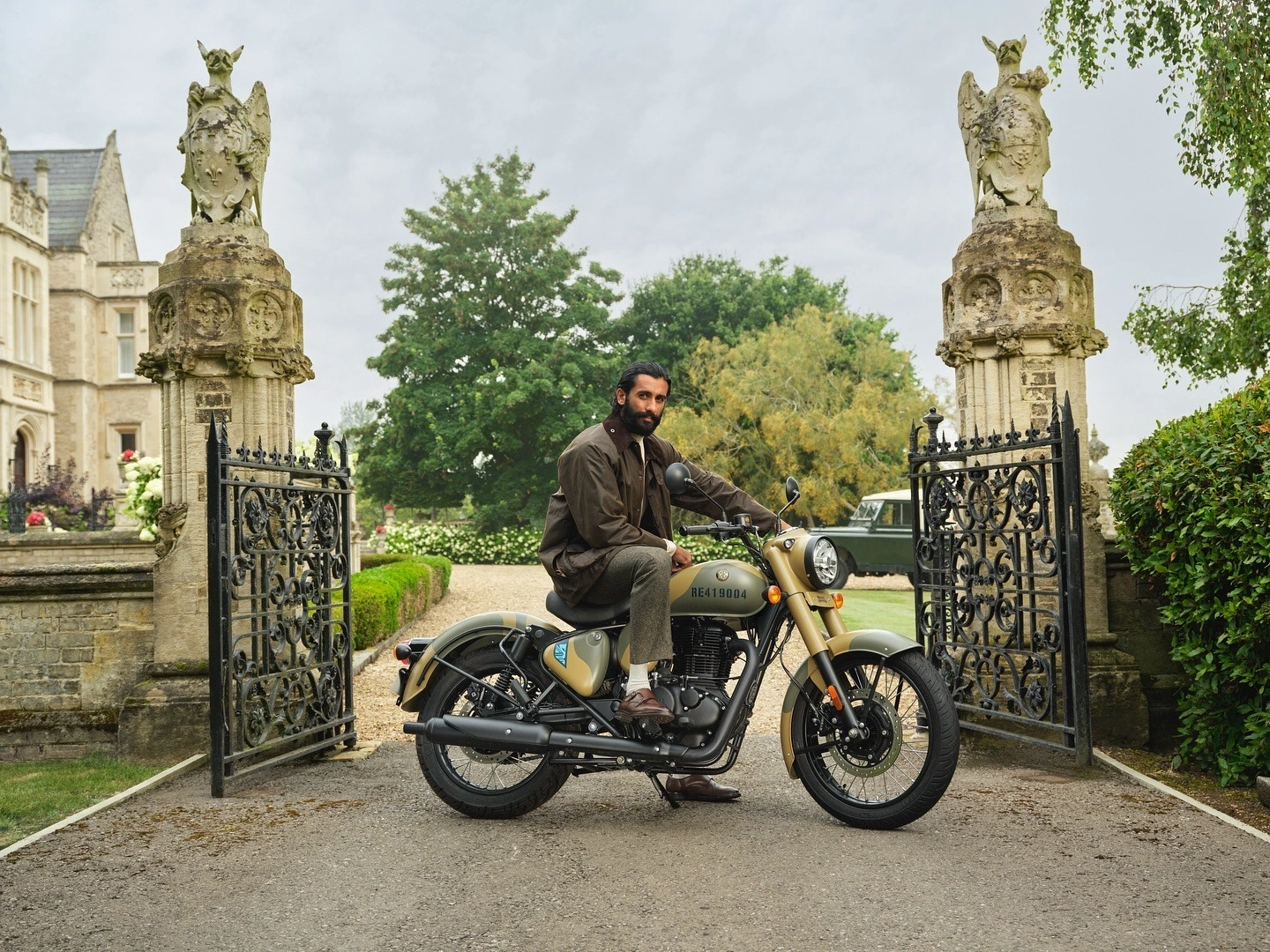
Then, since 2018, Padmanabh Singh has been enrolled at the Università e Nobil Collegio Sant’Eligio in Rome — studying cultural heritage management, art history, and the Italian language. This is not a random or decorative academic choice. For a young man who literally lives inside one of India’s most significant heritage monuments, understanding how Europe’s most respected cultural institutions approach conservation, presentation, and community engagement is directly, practically useful. It gives him frameworks and tools applicable to the City Palace and to Jaipur’s broader heritage landscape every single day.
His Polo Career Is the Stuff of Family Legend — and Personal Triumph
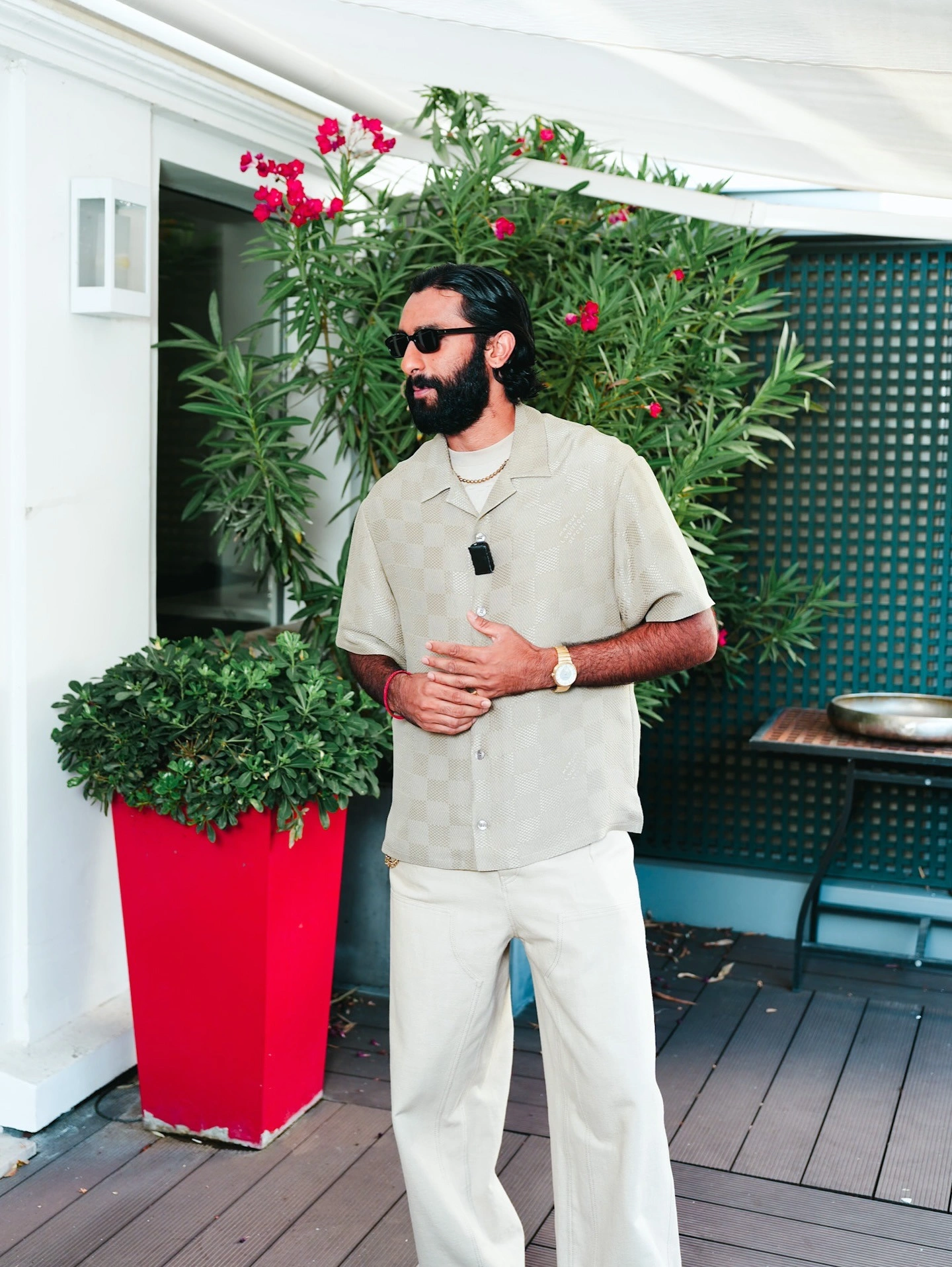
When it comes to polo, Padmanabh Singh didn’t just inherit a tradition. He decided, actively and deliberately, to be worthy of it on his own terms.
The polo legacy of the Jaipur royal family is extraordinary by any measure. His great-grandfather, Man Singh II, carried a 10-goal handicap — the highest possible in the sport — and led the Royal Jaipur Team to legendary victories across Britain and India through the 1930s. He later guided the Indian polo team to the World Championship in Deauville, France, in 1957. The Royal Jaipur Team’s dominance during that era is still spoken about reverently in polo circles. His grandfather Bhawani Singh was a committed promoter and administrator of the game at the international level.
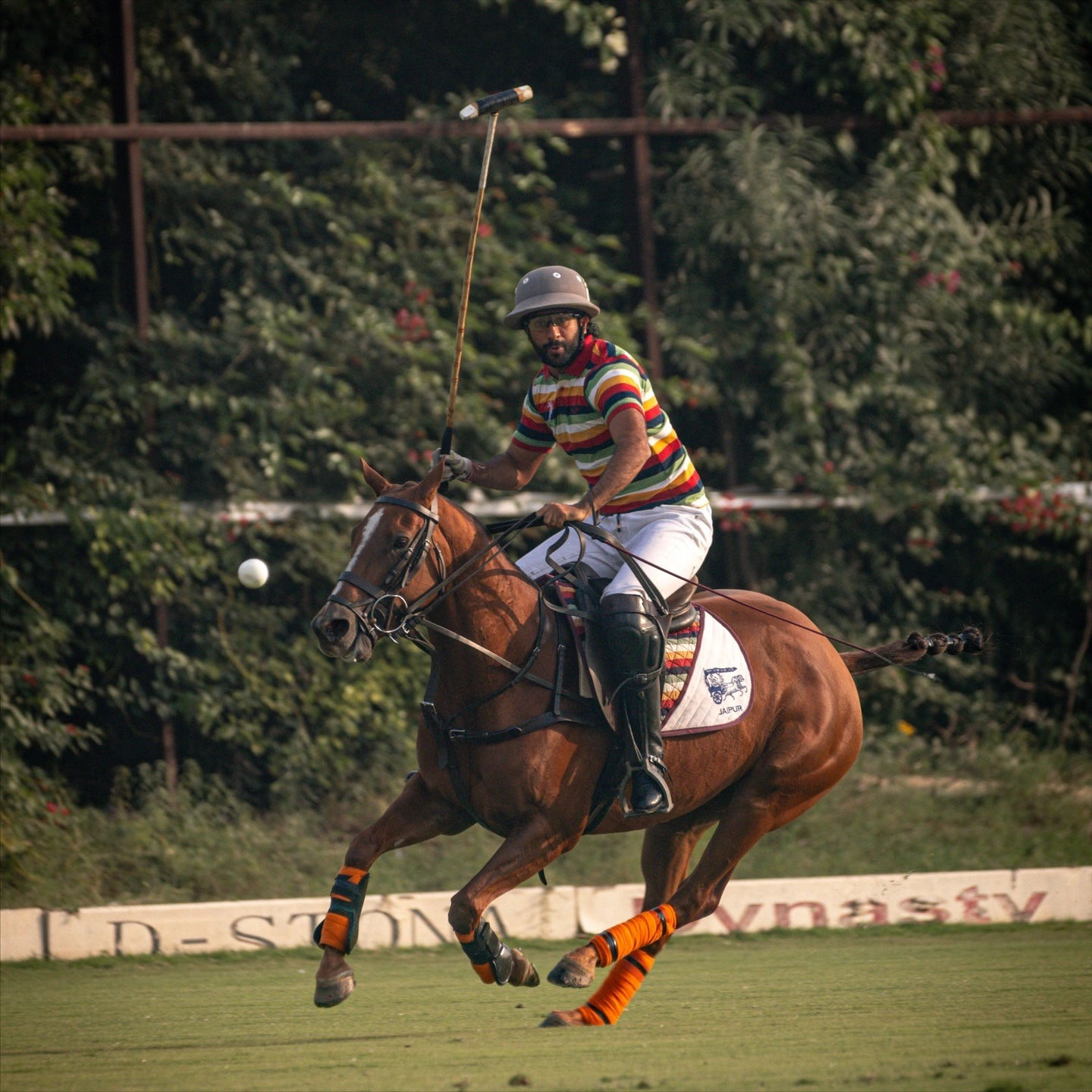
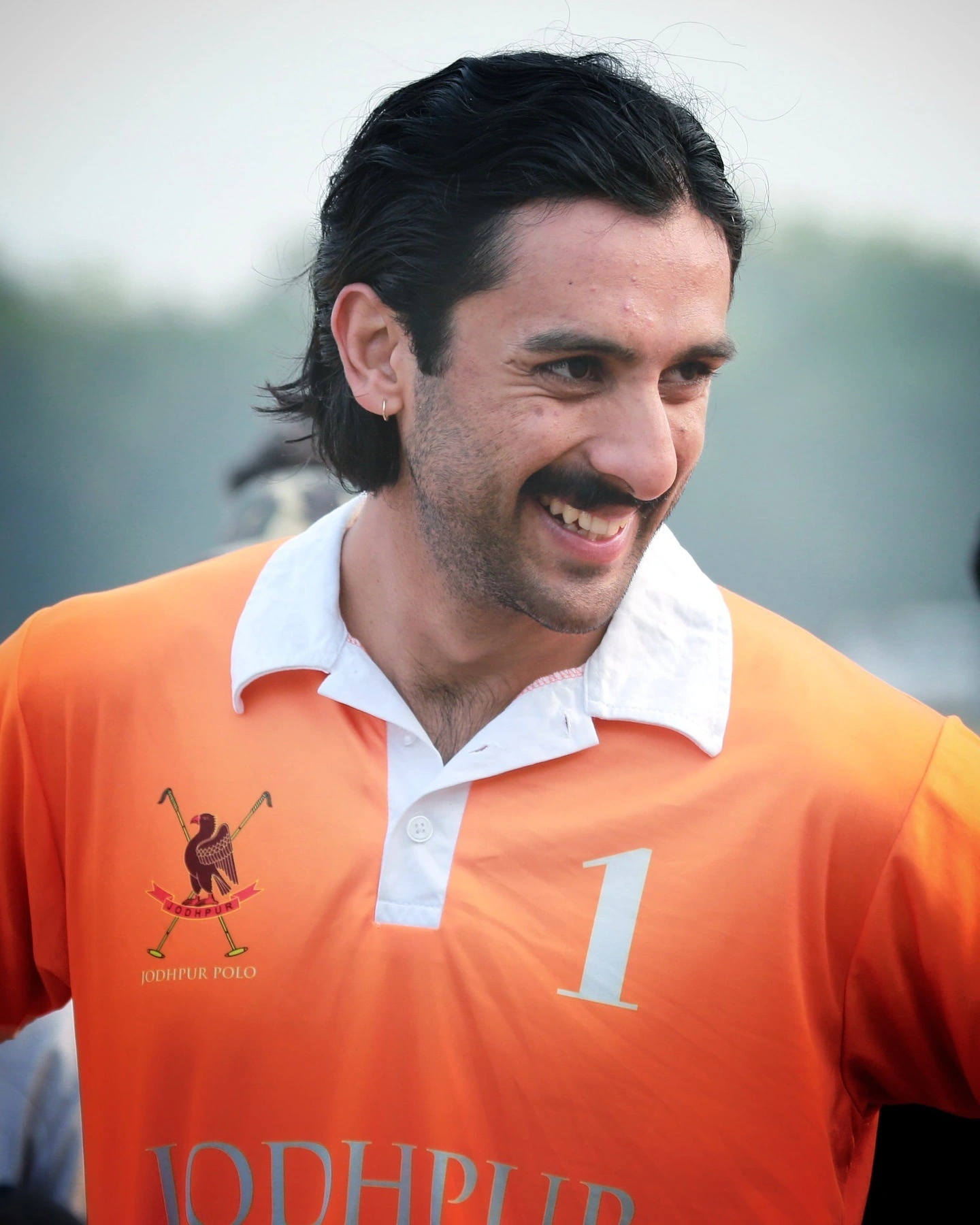
When Sawai Padmanabh Singh began competitive polo in 2015 at the Guards Polo Club in England, he was stepping into one of the most storied sporting legacies in his family’s history. The pressure of expectation was real — and instead of crumbling under it, he used it as motivation.
His rise was rapid. By 2017 — just two years into his competitive career — he was leading the Indian national polo team at Hurlingham Park in London. That moment was historically layered with significance: it was the first time in over 70 years that an Indian polo team had played at this iconic venue. The last time an Indian team had graced Hurlingham, it was under the leadership of his grandfather, Bhawani Singh. The symmetry was poetic, and the polo world recognised it.
He’s Become a Fashion Icon — And Nobody Saw It Coming
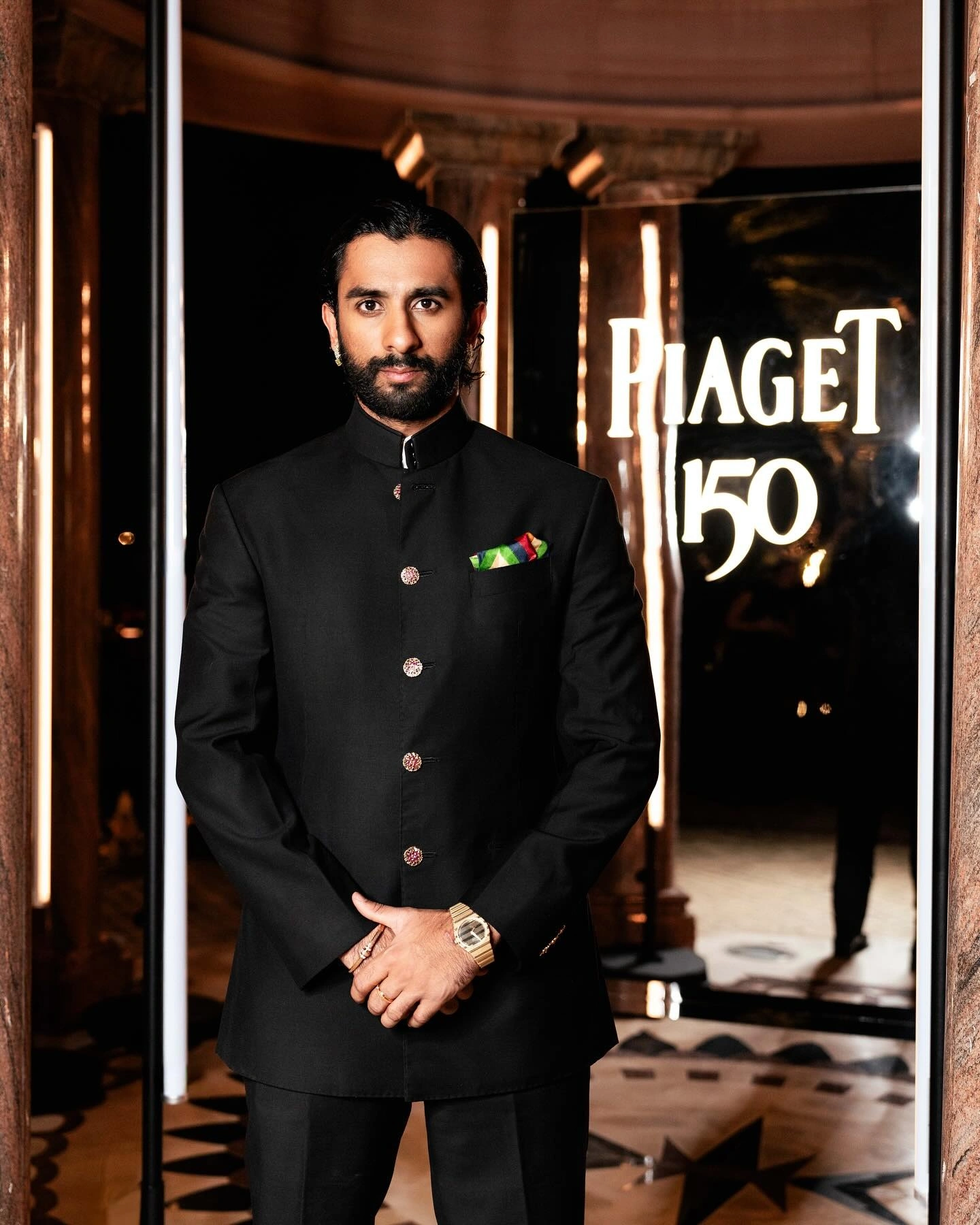
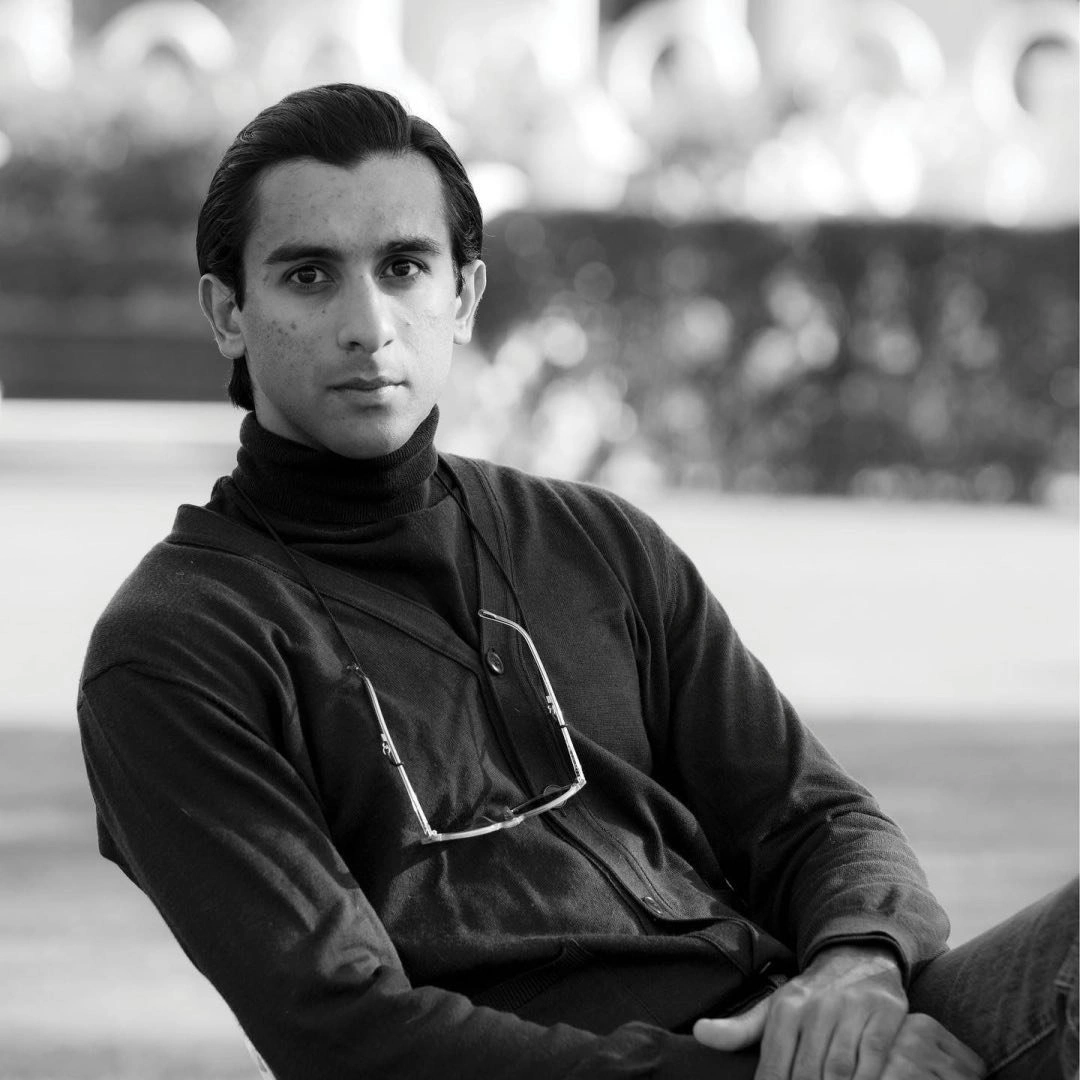
Here is the plot twist that genuinely surprises people when they first encounter it: Padmanabh Singh — a Rajput Maharaja from the Pink City of Jaipur — has become one of the most compelling male fashion personalities in the international luxury world.
And this isn’t “he looks good at ceremonial events” territory. This is Dolce & Gabbana runway territory.
Padmanabh Singh has walked for Dolce & Gabbana at Milan Men’s Fashion Week, collaborated with Giorgio Armani and Piaget, been officially partnered with the US Polo Association, and appeared in editorial spreads for GQ, Vogue, Elle, and Architectural Digest — among the most prestigious publications in the world.
What makes his fashion presence genuinely compelling — as opposed to merely visually striking — is how completely authentic it is. He doesn’t look like someone performing a version of royalty for the camera. Whether in a sharply embroidered bandhgala at a Jaipur ceremony or an immaculate European suit at a Milan fashion event, he inhabits both worlds with equal ease, conviction, and — crucially — identity.
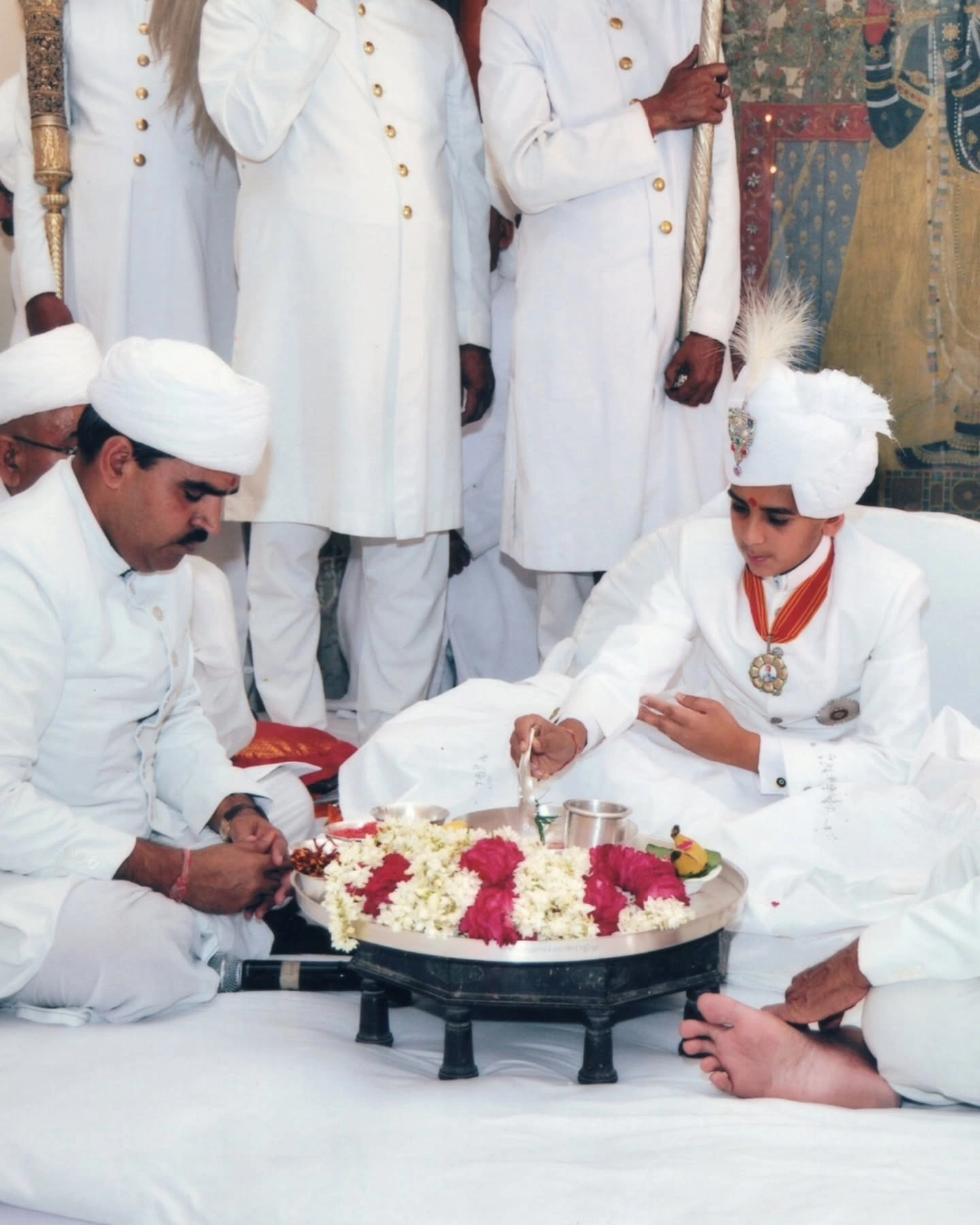
Maharaja Padmanabh Singh represents something the fashion and luxury industry has been quietly searching for: a non-Western male icon who doesn’t need to dilute his cultural identity to be globally desirable. He is emphatically and joyfully Indian — and the world has responded to that with enormous enthusiasm.
There is something refreshing and important about that. Fashion has long celebrated Western aesthetic as its default mode. Padmanabh Singh’s presence in its highest echelons is a gentle, elegant challenge to that assumption — and the industry is clearly grateful for it.
He’s Reimagining What a Royal Heritage Property Can Be
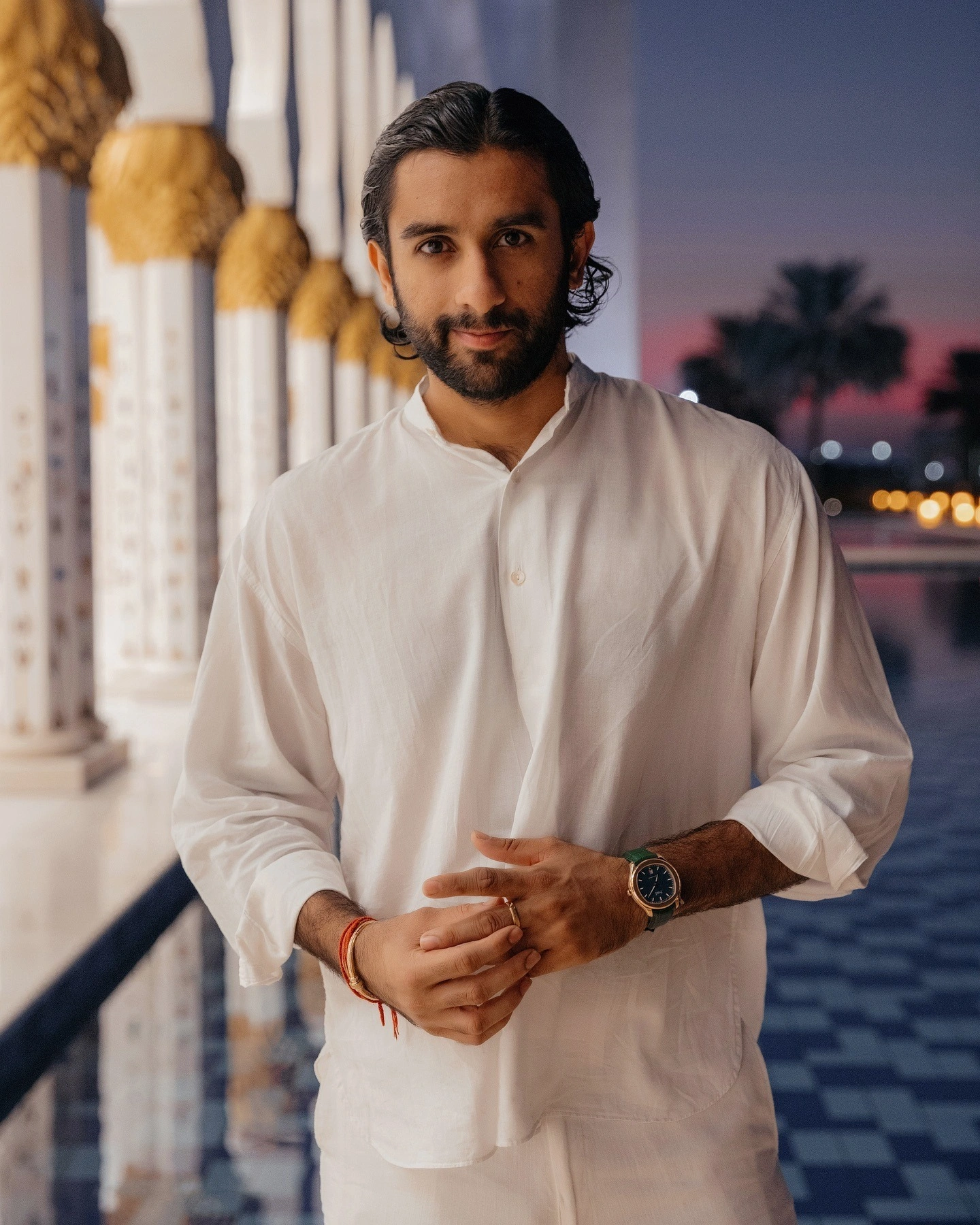
Managing a living, centuries-old royal estate in the 21st century requires an unusual combination of qualities: deep reverence for history, shrewd commercial instinct, genuine creativity, and the patience to work across timelines that span generations. Padmanabh Singh appears to have been quietly developing all four.
The heart of his heritage stewardship is the City Palace of Jaipur — a breathtaking complex founded in 1727 by Maharaja Sawai Jai Singh II. The City Palace functions simultaneously as the family’s private residence, a world-class museum, and a vibrant cultural venue. Its museum draws hundreds of thousands of visitors every year, housing extraordinary collections of royal artefacts — ceremonial weapons, miniature paintings, manuscripts, costumes, and personal effects spanning nearly three centuries.
Beyond the City Palace, the family’s hotel portfolio — managed in longstanding partnership with Taj Hotels — includes the globally celebrated Rambagh Palace. Opened as a hotel in 1958, Rambagh has hosted royalty, heads of state, and celebrities from across the world and is consistently ranked among Asia’s finest heritage luxury properties.
The Question the Internet Can’t Stop Asking: Padmanabh Singh’s Wife
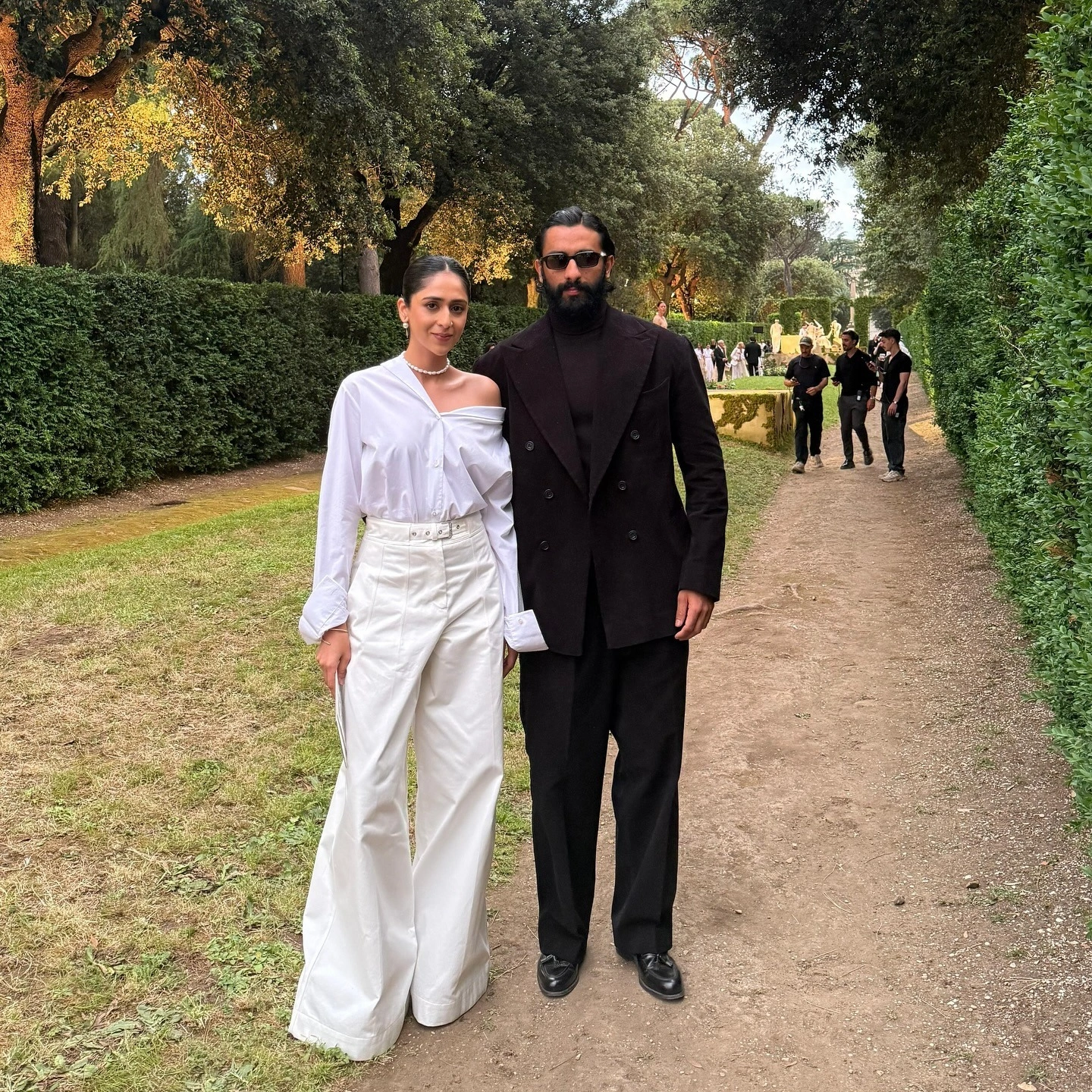
Since we’re being thorough here — and since search data makes very clear that a lot of people are curious — let’s address it head-on.
As of February 2026, Padmanabh Singh is unmarried. No official engagement, no publicly confirmed relationship, and no marriage announcement has emerged from the family. Maharaja Padmanabh Singh is 27 years old and, from everything publicly available, appears focused on his polo career, his studies in Rome, his heritage management responsibilities, and his international professional commitments.
The question about Padmanabh Singh’s wife is one that will likely continue to circulate until there is an announcement to settle it. Given the traditions of the Jaipur royal family and the considerable public interest that surrounds him, such an announcement will undoubtedly make headlines across the country when it eventually comes. Until then, the Maharaja remains single — and apparently perfectly fine with that.
Conclusion
The life of Padmanabh Singh is, at its heart, a story about choosing to be worthy of something extraordinary.
From his informal coronation as a 12-year-old in 2011, to the polo fields of England where he made his competitive debut in 2015, to the historic moment in 2017 when he led the Indian national team at Hurlingham Park for the first time in over 70 years, to the runways of Milan where he walked for Dolce & Gabbana, to the ancient courtyards of the City Palace where he currently lives and works — Maharaja Padmanabh Singh has consistently shown up with effort, intention, and a refusal to let the title do the work his own hands can do.
Frequently Asked Questions
Q1. Who is Padmanabh Singh?
Padmanabh Singh (born July 2, 1998, in New Delhi) is an Indian polo player and the current ceremonial head of the Kachhwaha clan — the former royal family of Jaipur State. He was unofficially installed as the titular Maharaja of Jaipur in 2011 at age 12, following the death of his maternal grandfather, Bhawani Singh. He is also widely recognised as a fashion icon and heritage entrepreneur.
Q2. What is Sawai Padmanabh Singh’s family background?
He is the great-grandson of Man Singh II, the last ruling Maharaja of Jaipur during the British Raj. His mother, Diya Kumari, is the only daughter of Bhawani Singh — Man Singh II’s son and a decorated Indian soldier. His father, Narendra Singh, is the son of a former member of Bhawani Singh’s staff. His parents divorced in 2018.
Q3. Who gave Padmanabh Singh the nickname “Pacho”?
His affectionate nickname “Pacho” was given to him by his grandmother, Rajmata Padmini Devi — and remains the name his loved ones and close friends use to this day.
Q4. Is the “Maharaja” title officially recognised?
No. India abolished royal titles and privy purses in 1971. The “Maharaja” designation carried by Padmanabh Singh is an unofficial, ceremonial, and cultural title used by family tradition and community recognition. It has no legal or governmental authority.
Q5. Who is Padmanabh Singh’s wife?
As of 2026, Padmanabh Singh is unmarried. No official engagement or relationship has been publicly confirmed. The question of Padmanabh Singh’s wife remains unanswered — the Maharaja keeps his personal life appropriately private.
Q6. Where was Maharaja Padmanabh Singh educated?
He attended Mayo College in Ajmer and Millfield School in Somerset, England. Since 2018, he has been enrolled at Università e Nobil Collegio Sant’Eligio in Rome, studying cultural heritage management, art history, and the Italian language.
Q7. When did Padmanabh Singh start playing polo professionally?
Padmanabh Singh began competitive polo in 2015 at the Guards Polo Club in England. In 2017, he led the Indian national polo team at Hurlingham Park, London — the first Indian team to visit the venue in over 70 years.
- Anand piramal net worth
- Radhakishan Damani Net Worth in Rupees
- Falguni Nayar net worth
- Vijay Mallya net worth in rupees
- Kumar Mangalam Birla net worth in rupees
- Priya Nair CEO Hindustan Unilever
- Cyrus Mistry net worth
- Whitney Wolfe Herd net worth
- Shailesh Jejurikar
- Who is Kavya Maran?
- Sindhuja Rajaraman
- Horacio Pagani net worth
- Hina Nagarajan
- Tanya Mittal Handmade Love
- Ratan Tata net worth in rupees
- Jamie Iannone
- Palmonas Owner
- Satish Sanpal net worth
- Savitri Jindal net worth
- Kapil Sharma net worth in rupees
- Dadasaheb Bhagat
- Kavin Bharti Mittal
- Srini Pallia
- Chris Malachowsky net worth
- Hridhaan Roshan Height
- Bob Iger Religion
For more verified information, you can refer to this trusted external source: Celebs Life Fact
