
Ready to sell? Brace yourself; it’s real work. We’re talking room-by-room effort, deliberate and methodical. What buyers can see matters. So does what they can’t. Hidden systems, including plumbing, electrical, and roofing, carry just as much weight as freshly refinished floors. Sellers who actually put in this work close faster and walk away with better numbers. Some repairs are cosmetic. Others are structural and entirely non-negotiable. Telling the difference, then acting on it, is what separates a smooth closing from one that drags through months of painful renegotiation.
1. Assess Your Home’s Current Condition
Walk every room like a stranger would. You’ve never been inside before; go. Scuffed baseboards, the cabinet door that won’t shut, the water stain on the garage ceiling you’ve long since stopped noticing; write it all down. Be brutal with yourself. Don’t look away. Pay hard attention to the big-ticket systems: roof, foundation, plumbing, electrical, major appliances. These are the items that kill deals dead. Hiring your own inspector before listing is genuinely smart; it surfaces problems while you still control the timeline. Fix what you can, price around what you can’t. Either way, you’ve got a roadmap instead of a closing-day ambush.
2. Handle Critical Repairs First
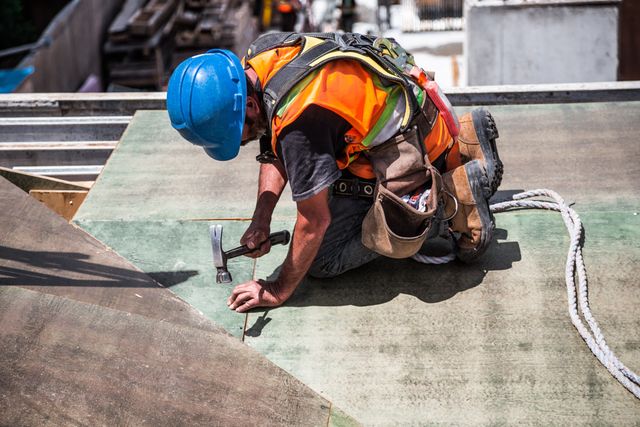
Don’t open with paint colors. Open with safety. Structural cracks, roof damage, plumbing leaks, electrical hazards; these aren’t negotiating chips. They’re deal-killers. Buyers walk. And deferred maintenance compounds fast; a slow drip ignored for six months becomes a wall-to-wall damage problem that costs multiples of what the original fix would have. Homeowners preparing to list in the Texas market who need a full roof overhaul before closing rely on nearby Austin roofing replacement to get the work done efficiently, with proper documentation prospective buyers can actually verify. That documentation hands buyers proof, not promises. Get structural and system work finished first. Cosmetics come after, never before.
3. Declutter and Depersonalize Your Spaces
Buyers can’t picture their lives in your house when your life is plastered across every surface. Family photos, trophy shelves, bold accent walls; all of it pulls focus off the actual square footage. Pack it up. Seasonal gear, extra kitchenware, the dresser that turns the bedroom into a storage unit; gone. Clear the closets too, because buyers open every door. What they find shapes their gut feeling about whether there’s room for them. Neutral walls. Minimal surfaces. Let the floor plan breathe. This step costs nothing but a few weekends, and its impact on buyer perception is genuinely hard to overstate.
4. Clean Thoroughly and Address Odors
Regular cleaning won’t cut it. Scrub the grout. Wipe the door frames. Clean inside the oven, behind the refrigerator, along the window tracks. Dust the ceiling fans; yes, those too. These overlooked spots tell buyers whether a home has been truly maintained or just kept looking that way on the surface. Smell matters as much as sight. Pet odors, stale cooking smells, mildew; buyers clock them instantly. First impressions are nearly impossible to reverse. Heavy air fresheners don’t help; they signal something’s being masked. Remove the source entirely. Open windows, use light neutral scents, let the clean speak for itself. A home that genuinely smells fresh builds confidence, and confidence is what drives offers.
5. Enhance Curb Appeal and Landscaping
They’ve already formed an opinion before they touch the front door. The exterior does that work, for better or worse. Mow the lawn. Trim back overgrown shrubs. Edge the walkway. Power wash the driveway and siding; mold and grime accumulate in ways you stop seeing when you live somewhere. Repaint the front door if it’s looking tired; small cost, outsized visual return. Fresh mulch, a couple of potted plants near the entrance, working outdoor lights. Fix the loose shutter. Repair that broken fence section. Buyers who like what they see from the street walk inside already motivated, and motivated buyers make stronger offers.
Conclusion
No shortcuts exist here. Getting a home sale-ready means honest assessment first, critical repairs second, cosmetic polish layered on top, never the other way around. Declutter aggressively. Kill odors at the source rather than masking them. Refresh the exterior so the first impression earns the second. Done systematically, this process positions your property as something buyers can trust. And that trust? That’s what drives faster closings and better numbers at the table.
