
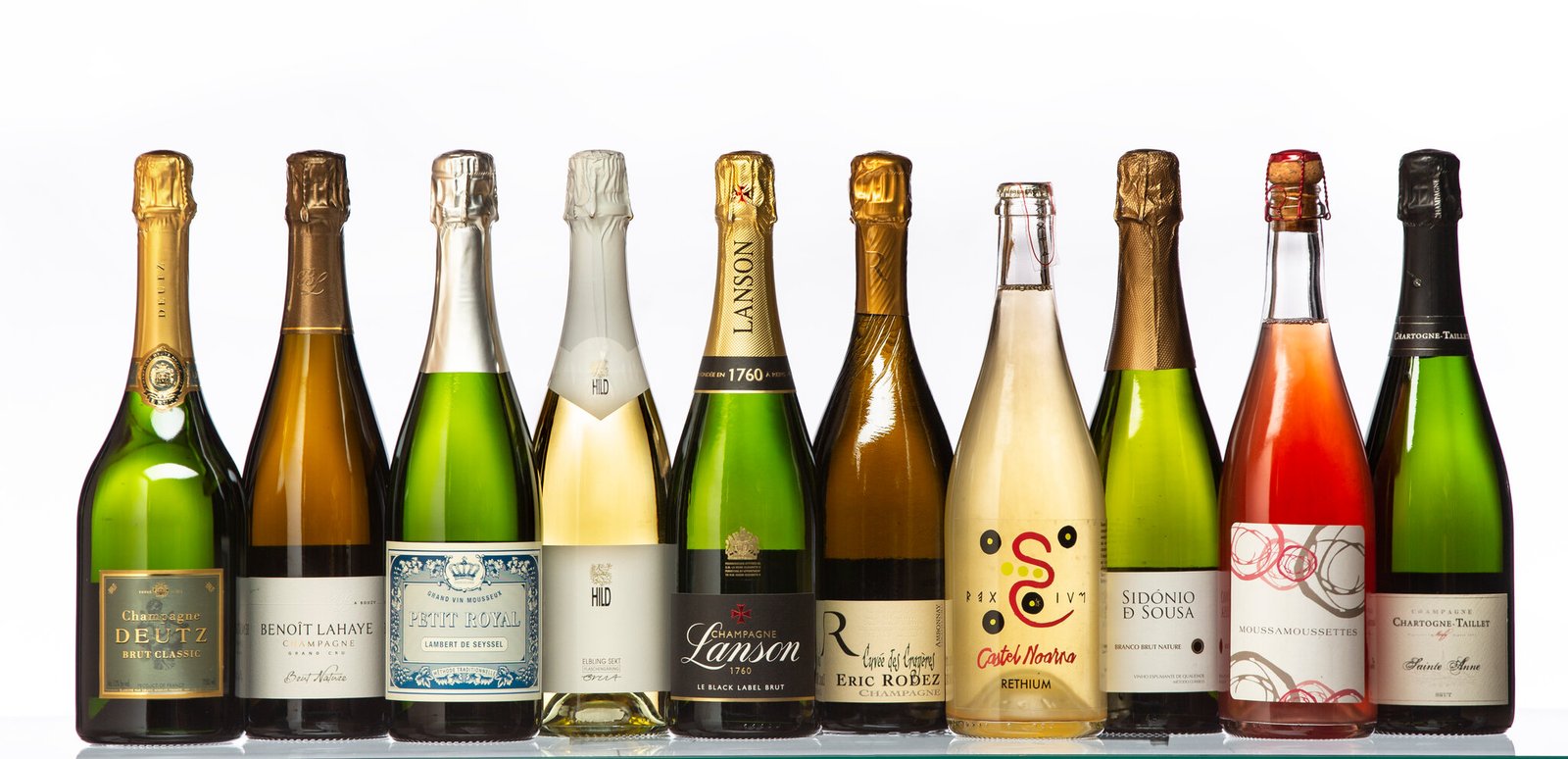
The catering manager stood before a wall of sparkling wine bottles, invoice in hand, second-guessing every selection. Her client had requested “something special” for a product launch, but the budget suggested otherwise. The champagne felt too expensive, the prosecco too casual, and the cava unfamiliar territory. Three hours until the event, and she was learning what many discover too late: choosing sparkling wine for events requires more strategy than grabbing the first bottle with bubbles.
Understanding your event’s personality
Every event has its own character. Sparkling wine should match that personality rather than fight against it.
A corporate merger announcement calls for different considerations than a wedding reception or gallery opening. The formality level sets the foundation for everything else, and you ignore this at your peril. Champagne carries weight that other sparkling wines simply cannot replicate, signaling importance and celebration in ways that resonate deep in social consciousness. That gravitas comes with expectations that can backfire spectacularly. Guests who see champagne flutes being filled anticipate a certain quality threshold, and serving a poorly chosen bottle creates disappointment rather than delight.
Prosecco offers approachability without pretension. The Italian sparkler works particularly well for afternoon events, casual celebrations, and situations where guests might not be wine-focused. Its lighter, fruitier profile makes it accessible to a broader audience, though it can feel insufficient for milestone moments where weight and ceremony matter.
Cava sits in the middle ground, providing traditional method complexity at moderate prices. This makes it valuable for events that need something more substantial than prosecco but cannot justify champagne costs. The challenge is guest recognition. Many attendees remain unfamiliar with cava, which can work for or against you depending on your crowd.
Budgeting beyond the bottle price
Event planners often calculate sparkling wine costs per bottle. This approach misses the larger financial picture.
More expensive wine that guests appreciate and remember can provide better value than cheaper options that leave no impression. Consider consumption patterns for your specific event type. Cocktail receptions typically see higher sparkling wine consumption than seated dinners where it serves as an accompaniment. Business events often feature lighter drinking than social celebrations, while wedding receptions fall somewhere between, with consumption varying dramatically based on guest demographics and time of day.
Serving format affects your budget calculation significantly. Passed glasses require different planning than a champagne toast or self-service bar, changing both the amount needed and the quality expectations. Guests notice champagne quality more acutely during a formal toast than when sipping casually at a networking event.
When working within tight budget constraints, focusing your spending proves more effective than spreading it thin. Offering one quality sparkling wine often creates better impressions than providing multiple mediocre options.
Temperature and timing realities
Sparkling wine service timing requires more precision than still wines. The bubbles that make these wines special also make them less forgiving of temperature fluctuations and extended exposure to air.
Most sparkling wines should be served between 40-45 degrees Fahrenheit, but achieving and maintaining this temperature at events demands planning that many overlook until it’s too late. Standard refrigeration might not provide sufficient cooling capacity for large quantities. Ice baths work effectively but require constant attention and replenishment that stretches staff resources.
Opening bottles too far in advance kills the effervescence that defines sparkling wine. Yet opening bottles during service creates bottlenecks and delays that can derail an entire event timeline. Calculate precise timing based on expected consumption rates and have trained staff who can open bottles efficiently without losing precious bubbles.
When browsing the best sparkling wines on sale, consider how purchase timing affects your event planning. Some excellent values require advance planning to secure adequate quantities. Waiting until the last minute usually means settling for whatever’s available.
Food and seasonal pairings
Food being served shapes sparkling wine selection more than many realize, yet it’s often an afterthought in event planning.
Rich, creamy dishes pair beautifully with champagne’s acidity and complexity, while lighter fare works well with prosecco’s fruit-forward character. Cava’s mineral backbone complements seafood and charcuterie effectively, though few event planners think to leverage these natural affinities.
Seasonal considerations extend beyond obvious temperature preferences. Spring and summer events often benefit from lighter, more refreshing styles that won’t weigh down guests in warmer weather. Fall and winter gatherings can accommodate richer, more complex sparkling wines that might feel heavy during outdoor summer receptions.
Making the decision
Successful sparkling wine selection balances all these factors rather than optimizing for any single element. The best choice supports your event’s goals while respecting your budget constraints and guest expectations. Sometimes that means champagne. Sometimes it means finding an exceptional cava that surprises and delights.
The key lies in understanding what your specific event actually needs rather than what conventional wisdom suggests. The catering manager’s wall of bottles contained the right answer all along. She just needed to stop thinking about wine categories and start thinking about her specific event’s needs.
